WordPress vs. Shopify: Which Platform Is Better for E-Commerce in 2025?

Introduction:

E-commerce has evolved drastically over the past decade — and in 2025, running a successful online store is no longer about just listing products. It’s about building experiences, optimizing for performance, and standing out in a digital-first world.

If you’re planning to launch your store, chances are you’ve come across two of the biggest players in the space — WordPress (with WooCommerce) and Shopify. Both are powerful, both have loyal user bases, and both promise to make your business thrive online.

But which one is really better for your goals? Let’s dive deep and compare them head-to head — in a way that helps you make a confident, future-proof decision.

1. Ease of Setup & User Experience

Shopify: Built for Simplicity

Shopify is a fully hosted platform — meaning everything from hosting to SSL security and updates is taken care of. You simply sign up, choose a template, add products, and you’re live.

It’s ideal for entrepreneurs or small business owners who want to focus on selling, not coding.

WordPress: Built for Control

WordPress (with WooCommerce) gives you total freedom — but also more responsibility. You need hosting, security, and plugins, but in return, you gain complete control over every element of your store.

If you decide to Hire WordPress Developers, they can customize everything from checkout flow to speed optimization, giving you a truly unique website.

Verdict:
Choose Shopify for convenience.
Choose WordPress for creative and technical control.

2. Customization & Flexibility

WordPress – Limitless Possibilities

WordPress is open-source, which means you can modify it endlessly. Whether you want a custom design, advanced filters, or integration with third-party tools — it’s all possible. With experienced developers, your store can look, feel, and function exactly the way your brand deserves.

Shopify – Clean and Controlled

Shopify’s themes are elegant and responsive but come with certain limits. Customizing complex layouts requires working with Shopify’s coding language, Liquid.

Verdict:
If design and flexibility matter, WordPress wins hands down.
If you want consistency and minimal setup time, Shopify is your friend.

3. SEO and Online Visibility

WordPress: The SEO King

WordPress, paired with plugins like Yoast SEO or Rank Math, gives you unmatched control over search optimization. You can manage titles, meta tags, structured data, and even page
speed tweaks.

For businesses that want to rank high on Google and grow organic traffic, WordPress is a powerhouse.

Shopify: SEO Made Simple

Shopify includes basic SEO features like editable meta titles and descriptions but doesn’t provide deep customization options.

Verdict:
WordPress dominates for SEO-driven businesses.
Shopify works well for beginners looking for simplicity.

4. Cost and Long-Term Investment

Shopify: Subscription-Based Model

Shopify charges a monthly fee, plus transaction costs if you don’t use their in-house payment gateway. It’s predictable but can be expensive as you scale.

WordPress: Pay for What You Need

WordPress itself is free, but you’ll pay for hosting, plugins, and maintenance. The upside? You control your costs and can scale gradually.

Verdict:
For startups — Shopify’s monthly plan keeps things simple.
For growing businesses — WordPress offers better long-term value.

5. Performance & Scalability

Shopify: Optimized Out of the Box

Since Shopify manages hosting and performance, you can expect reliable uptime and fast load speeds, even during traffic spikes.

WordPress: Scales with Expertise

With the right hosting and developers, WordPress can match — or exceed — Shopify’s performance.

If you plan to scale aggressively, Hire WordPress Developers who understand caching, CDN setup, and performance optimization.

Verdict:
Shopify scales automatically.
WordPress scales strategically — with the right hands behind it.

6. Integrations and Plugins

Both platforms integrate well with popular marketing tools — but WordPress takes the lead with sheer volume. Thousands of free and premium plugins mean you can add almost any feature imaginable.

Shopify’s integrations are high-quality but fewer in number.

Verdict:
WordPress for variety.
Shopify for stability.

7. Security and Maintenance

Shopify handles everything — from PCI compliance to SSL certificates. You’ll never need to worry about updates or backups.

With WordPress, you’re in control of your security, but that also means responsibility.

Working with professionals ensures your site stays secure and updated.

Verdict:
Shopify = hands-off security.
WordPress = hands-on protection and flexibility.

Conclusion: Which Platform Wins in 2025?

In 2025, the right platform depends on your business goals — not just popularity.

Choose Shopify if you:

• Want an easy, ready-to-go store
• Prefer a managed hosting environment
• Don’t have a dedicated technical team

Choose WordPress if you:

• Want full design control and scalability
• Rely on SEO for traffic
• Plan to work with expert developers

At Excellis IT, we help businesses build smarter, faster, and more profitable online stores. Whether you’re looking to Hire Shopify Developers for a sleek, conversion-ready store or Hire WordPress Developers for a fully customized platform — our team in Kolkata brings your e-commerce vision to life.

FAQs


Q1. Which platform is easier for beginners — WordPress or Shopify?

Shopify is easier for beginners. It’s plug-and-play with no hosting or maintenance headaches.

Q2. Can I migrate from Shopify to WordPress or vice versa?

Yes! Both platforms support migration tools, and our developers at Excellis IT can ensure a seamless transition without data loss.

Q3. Which platform offers better SEO results?

WordPress is more SEO-friendly because of advanced plugins and manual optimization capabilities.

Q4. Do I need developers for both platforms?

You can start Shopify without a developer, but if you want customization or performance optimization, hiring professionals helps. WordPress, however, almost always benefits from skilled developers.

Q5. Why hire developers from Excellis IT?

Because we combine creativity, technology, and data-driven strategies. Whether you want to Hire WordPress Developers for custom builds or Hire Shopify Developers for scalable stores
— we deliver excellence at speed.

Final Thoughts

The truth is — there’s no one-size-fits-all winner in the WordPress vs. Shopify debate. It’s all about your business goals, budget, and technical comfort level.

But with Excellis IT by your side, you don’t have to choose alone. Our team helps you assess, plan, and build the perfect e-commerce platform for 2025 — one that sells smarter, performs faster, and grows stronger.

Ready to get started?

Visit www.excellisit.com to Hire WordPress Developers or Hire Shopify Developers today.

The Role of AI in Digital Marketing: Smarter Campaigns, Better ROI

Digital marketing has evolved. Customers expect brands to understand them, respond quickly, and deliver personalized experiences. Artificial Intelligence (AI) helps marketers do just that — turning insights into action and campaigns into conversations that convert.

Here’s how AI is reshaping marketing in ways that are simple, human-friendly, and measurable.


1. Understanding Customers Beyond Simple Demographics

AI allows marketers to go beyond age or location. By analyzing browsing history, social activity, and purchase patterns, brands can understand their audience’s real interests. This helps deliver campaigns that feel personal, increasing engagement and conversions.

2. Predicting Customer Needs Before They Happen

AI can forecast what customers want next by studying behavior trends. Marketers can anticipate purchases, trending products, or the best time to launch a campaign. Being proactive means staying ahead of competitors and delivering what users want before they even ask.

3. Creating Personalized Experiences That Feel Human

Customers expect tailored experiences. AI helps brands personalize emails, recommendations, and website content dynamically. The result is interactions that feel genuine, building trust and loyalty without feeling forced or automated.

4. Optimizing Campaigns in Real-Time for Better Results

AI allows marketers to adjust campaigns while they run — pausing underperforming ads, reallocating budgets, and delivering content at the perfect moment. This reduces waste and maximizes ROI, making every marketing dollar count.

5. Enhancing Content Creation and SEO Performance

AI helps discover topics, suggest headlines, and optimize content naturally for search engines. By understanding what users are searching for, marketers can create valuable content that ranks well and attracts the right audience.

💬 “Good content informs, great content connects — and AI helps you do both.”

6. Automating Routine Tasks While Supporting Creativity

Repetitive tasks like scheduling posts or tracking performance can slow teams down. AI handles these tasks automatically, giving marketers more time to focus on creative storytelling and strategy.

7. Improving Customer Engagement Through Smart Interactions

AI-powered chatbots guide users, answer questions instantly, and collect feedback. They continuously learn from interactions, making conversations smarter and more helpful over time.

8. Adapting to Voice and Conversational Search

Voice search is growing, and people ask questions naturally instead of typing keywords. AI optimizes content for these queries, ensuring your brand is discoverable when users speak instead of type.

9. Turning Data into Actionable Insights

AI transforms raw numbers into insights that marketers can act on. It identifies which campaigns drive engagement, which channels convert best, and where improvements are needed. This allows data-driven decisions that lead to better ROI.

10. Building Smarter Campaigns That Connect and Convert

By combining human creativity with AI-driven insights, marketers can deliver campaigns that feel personal, timely, and effective. At Excellis IT, as a trusted Digital Marketing Agency In Kolkata, we integrate Artificial Intelligence & Machine Development Services to help businesses design smarter campaigns and achieve measurable ROI.

Frequently Asked Questions (FAQs)


Q1: How does AI improve digital marketing campaigns?

AI analyzes customer behavior, predicts trends, personalizes experiences, and optimizes campaigns in real time. This ensures marketing efforts are more precise, relevant, and effective.

Q2: Can AI replace human marketers?

No. AI is a tool that supports marketers. It handles repetitive tasks, analyzes data, and provides insights, allowing humans to focus on creativity, strategy, and building relationships.

Q3: What is the role of AI in SEO?

AI helps identify search intent, suggest content ideas, optimize headlines, and improve keyword targeting. This makes content more discoverable and helps achieve higher rankings in search engines.

Q4: How can AI-powered chatbots benefit my business?

Chatbots provide instant customer support, recommend products, collect feedback, and learn from interactions. This improves engagement and builds customer trust while reducing support workload.

Q5: Why should I choose a digital marketing agency that uses AI?

An AI-powered agency leverages technology to deliver smarter, more efficient campaigns. It ensures personalized experiences, data-driven decisions, and measurable ROI for your marketing efforts.

The Role of Blockchain in Securing Business Data

In today’s data-driven economy, securing business information is no longer a luxury—it’s a necessity. At Excellis IT, we understand that your data is the foundation of your operations, customer relationships, and strategic growth. As cyber threats evolve, traditional security systems are struggling to keep pace. That’s why forward-thinking businesses are turning to blockchain technology— a decentralized, tamper-proof solution that’s redefining how data is protected.

What Is Blockchain and Why It Matters

Blockchain is a distributed digital ledger that records transactions across a network of computers. Each record, or “block,” is linked to the previous one, forming a secure and immutable chain. Once data is added, it cannot be altered or deleted—ensuring transparency, integrity, and trust.

Unlike centralized databases, blockchain eliminates single points of failure. This makes it an ideal solution for businesses seeking robust data protection without compromising performance or accessibility.

Key Benefits of Blockchain for Business Data Security

At Excellis IT, we help clients harness blockchain’s full potential to solve realworld security challenges. Here’s how:

Decentralized Infrastructure

Blockchain stores data across multiple nodes, making it nearly impossible for hackers to compromise the system. This distributed architecture ensures resilience against cyberattacks and system failures.

Tamper-Proof Records

Once data is recorded, it becomes permanent and verifiable. This immutability is crucial for industries that require strict compliance, audit trails, and data integrity.

End-to-End Encryption

Blockchain uses advanced cryptographic techniques to secure every transaction, ensuring sensitive business information remains protected from unauthorized access.

Smart Access Control

With permissioned blockchains and smart contracts, businesses can define who accesses what data—enhancing internal security and reducing human error.

Real-World Applications Across Industries

Blockchain is transforming data security across sectors. Here are just a few examples:

• Finance :

Prevents fraud, secures transactions, and simplifies regulatory compliance.

• Healthcare :

Protects patient records and enables secure data sharing among providers.

• Retail & E-commerce :

Secures customer data, loyalty programs, and payment systems.

• Supply Chain :

Tracks goods from origin to delivery, ensuring authenticity and accountability.

• Identity Management :

Enables secure digital identity verification, reducing risks of identity theft.

Blockchain Development Services by Excellis IT

We offer end-to-end blockchain development solutions tailored to your business needs:

• DApps Development :

Build decentralized applications for transparent operations.

• Blockchain App Development :

Custom blockchain apps designed for scalability and performance.

• DEX Development :

Launch secure decentralized exchanges for digital asset trading.

• Whitepaper Solutions :

Professional documentation to support blockchain project launches.

• NFT Marketplace Development :

Create platforms for trading digital collectibles.

• Token Development :

Design and deploy secure tokens for your business ecosystem.

• NFT Creation :

Develop unique, market-ready NFTs.

• Wallet Development :

Build secure digital wallets for storing cryptocurrencies and tokens.

Challenges to Consider Before Adoption

While blockchain offers unmatched security, businesses should be aware of potential challenges:

• Scalability :

Blockchain networks may experience slower performance under heavy transaction loads.

• Regulatory Compliance :

Legal frameworks around blockchain are still evolving, requiring strategic planning.

• Technical Expertise :

Successful implementation demands skilled professionals and ongoing support.

Future-Proof Your Business with Blockchain

As cyber threats grow more complex, blockchain is emerging as a strategic asset for modern enterprises. Innovations like hybrid blockchains, zero- knowledge proofs, and interoperability protocols are making adoption easier and more scalable.

At Excellis IT, we’re committed to helping businesses secure their data, streamline operations, and build customer trust through blockchain technology. Whether you’re exploring blockchain for the first time or ready to scale your existing solution, our team is here to guide you every step of the way.

SEO vs. PPC: What is the Best Strategy for Your Business?

The goal of digital marketing is clear—get your business in front of the right audience at the right time. Two of the most popular strategies marketers leverage to drive traffic and increase visibility are Search Engine Optimization (SEO) and Pay-Per-Click (PPC) advertising. Both have strengths and can be incredibly effective, but which is best for your business?

In this blog, we’ll explore what SEO and PPC are, how they differ, their pros and cons, and how to decide which strategy best suits your goals.

What is SEO?

Search Engine Optimization (SEO) improves your website’s visibility in organic (non-paid) search engine results. SEO involves optimizing your website content, technical elements, and off-page factors (like backlinks) to help search engines understand your site and rank it higher for relevant queries.


Key Components of SEO:

On-Page SEO: Content optimization, keywords, meta tags, headers, internal links

Technical SEO: Website speed, mobile-friendliness, XML sitemaps, structured data

Off-Page SEO: Backlink building, social sharing, domain authority


Pros of SEO:

Long-Term Results: Once you rank well, you can enjoy consistent traffic without ongoing costs.

Cost-Effective: There is no need to pay for clicks; only invest time and resources.

Builds Credibility: Users perceive organic rankings as more trustworthy.

Compounding Returns: Over time, your efforts snowball, increasing authority and traffic.


Cons of SEO:

Time-Consuming: SEO is a long-term strategy; it can take months to see results.

Constant Algorithm Updates: Search engines like Google regularly update their algorithms.

Competitive: Popular keywords can be hard to rank without significant effort.


What is PPC?

Pay-per-click (PPC) is a form of online advertising where businesses pay a fee each time someone clicks on their ad. The most popular platform for PPC is Google Ads, though Facebook, Instagram, Bing, and LinkedIn also offer similar models.


Key Types of PPC Ads:

Search Ads: Appear on top of Google’s search results

Display Ads: Banner ads are shown across various websites

Shopping Ads: Product listings for eCommerce

Social Media Ads: Sponsored content on platforms like Facebook and Instagram


Pros of PPC:

Immediate Visibility: Your ad can appear on the first page of Google within hours.

Highly Targeted: Use demographics, location, device, time, and keywords to target users.

Scalable & Measurable: Easy to track ROI and scale based on performance.

A/B Testing: Quickly test multiple ad variations to optimize for better performance.


Cons of PPC:

Costly Over Time: You pay for each click, which can add up, especially in competitive niches.

Temporary: Once your budget runs out, so does your traffic.

Learning Curve: Requires understanding of bidding strategies, ad copywriting, and platform mechanics.


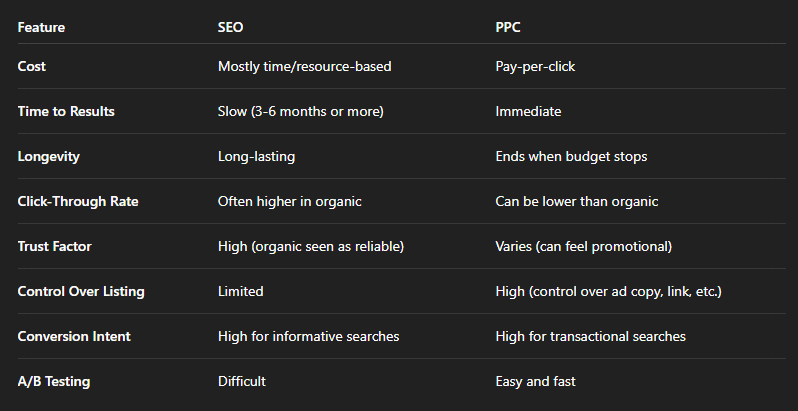
SEO vs. PPC: Side-by-Side Comparison

SEO vs. PPC: Side-by-Side Comparison


Which Strategy is Best for Your Business?

Choosing between SEO and PPC depends on several key factors, including your goals, budget, timeline, competition, and industry.

1. Your Marketing Budget

SEO might be a better long-term investment if your business has a tight marketing budget. However, PPC is an excellent option if you have the resources and want quick visibility.

2. Your Timeline for Results

Need immediate traffic or promoting a limited-time offer? PPC is the go-to. If you’re building a long-term brand presence, SEO pays off over time.

3. Nature of Your Product or Service

High-value or emergency services (like plumbing or legal services) often benefit from PPC because people need fast solutions.

Content-heavy websites like blogs, news, or educational platforms benefit more from SEO.

4. Competition in Your Niche

Highly competitive industries like finance, insurance, or eCommerce can be expensive on PPC. Investing in SEO might give you better returns in the long run.

5. Your Team’s Skillset

SEO will be easier to maintain if you have an in-house content team.

PPC can produce fast results if you have a dedicated ad expert or agency.


Combining SEO and PPC: The Hybrid Strategy

The best answer may not be “either-or”—it’s often “both.” Integrating SEO and PPC into a unified digital strategy allows you to enjoy the best of both worlds.

Here’s how a hybrid approach works:

Use PPC for immediate traffic and A/B testing of landing pages.

Use SEO to build authority and capture long-term organic traffic.

Analyze PPC data to identify high-performing keywords and incorporate them into your SEO strategy.

Use retargeting ads to bring back organic visitors who didn’t convert the first time.

Example:

A new eCommerce brand could start with PPC to get fast visibility and data, then invest in SEO for long-term rankings. Meanwhile, PPC retargeting ads can keep users engaged.


Final Thoughts

There’s no one-size-fits-all answer to the SEO vs. PPC debate. It’s all about aligning your strategy with your business goals, budget, and timeline. SEO is a slow burn that builds trust and sustainable growth, while PPC offers fast, targeted traffic with measurable ROI.

If you’re a startup looking for immediate visibility, start with PPC and gradually incorporate SEO. If you’re an established business aiming for brand authority and long-term returns, double down on SEO and use PPC for strategic campaigns or promotions.

Ultimately, the most effective marketing strategies don’t just rely on one channel—they blend multiple approaches to maximize reach and results.

ChatGPT’s New Memory Update: Remembers Info Across All Chats

OpenAI has taken a significant step in enhancing user experience by releasing a powerful new feature—cross-chat memory for ChatGPT. Conversational AI tools have impressed users with their ability to generate human-like responses for years. However, a key limitation remained: the lack of long-term memory across different interactions. That’s now changing.

With this update, ChatGPT can remember information about you across different chats, making it more personalized, consistent, and intelligent than ever before. In this blog, we’ll dive into what this memory update means, how it works, why it matters, and how you can manage it.

What is Cross-Chat Memory in ChatGPT?

Traditionally, each session with ChatGPT was isolated. You could have a detailed conversation about a project or share personal preferences, but the moment the chat ended, so did the context. You’d have to start from scratch if you opened a new chat the next day.

Now, with the memory feature enabled, ChatGPT can remember information you’ve shared in the past and use it to improve responses in the future. For example:

  • It can remember your name, tone, or preferred writing style.
  • I can recall that you’re a marketer who works with Facebook ads.
  • It can pick up where you left off on a project without requiring you to re-explain everything.

In other words, ChatGPT is evolving from a helpful assistant to a truly personalized AI companion.

How Does ChatGPT’s Memory Work?

ChatGPT’s memory functions in a straightforward yet powerful way. Here’s how it operates:

1. Automatic Memory Activation

  • As of the 2024 update, ChatGPT automatically starts forming memories based on your chats unless you turn off the feature.
  • When the AI learns something new about you—like your name, job, or preferences—it will notify you that a memory has been created.

2. Persistent Across Sessions

  • Unlike regular context (which only applies within a single conversation), memory is retained across all future interactions—even after you close the app or switch devices.

3. Editable and Transparent

  • You can view, update, or delete individual memories anytime by visiting Settings > Personalization > Memory.
  • Want ChatGPT to forget something? Just say, “Forget that I’m a designer,” or delete it manually.

4. Only Available for Pro Users (For Now)

  • As of early 2025, the memory feature is being rolled out to ChatGPT Plus users using GPT-4-turbo. Availability may expand over Time.

What Can ChatGPT Remember?

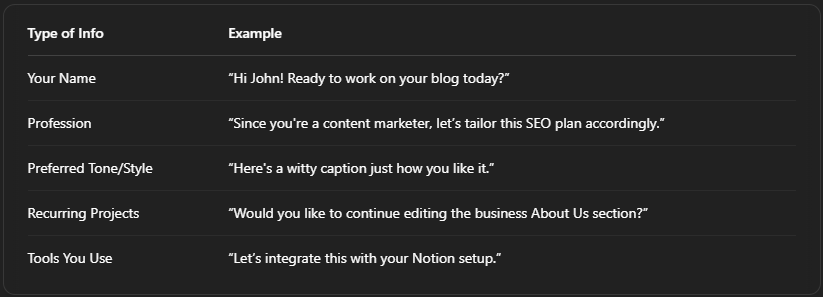
Here are examples of what ChatGPT might remember to improve the way it helps you:

What Can ChatGPT Remember?

It doesn’t just store facts—it adapts to how you work, write, and think.

Why This Matters: The Real Impact of Memory

  1. Personalized Interactions: The memory feature allows for a much more tailored experience. Whether you prefer a formal tone in emails or a casual style in social media content, ChatGPT can align with your preferences automatically.
  1. Saves Time: No more repeating your background or goals. You can jump right into productive conversations without re-establishing context.
  1. Enhanced Productivity: From helping you brainstorm blog ideas to keeping track of long-term projects, memory turns ChatGPT into a virtual team member who knows the plan and enables you to execute it.
  1. Better Collaboration: If you work with ChatGPT on client-based projects, it can remember your client personas, style guides, and campaign history, making collaboration smoother and brighter.

Examples of Memory in Action

Let’s say you’re a digital marketer named Lisa who uses ChatGPT to create social media content for various brands. Over time, ChatGPT might remember:

  • You like professional yet engaging LinkedIn posts.
  • One of your brands, Excellis IT, focuses on tech solutions with a corporate tone.
  • You prefer 2 caption versions per post: one formal and one slightly conversational.

Now, when you start a new chat and say,

“Give me a LinkedIn post about Excellis IT’s latest cloud integration service,”

ChatGPT will automatically factor all this in, so there is no need to restate anything. You’ll instantly get content aligned with your brand’s voice, tone, and content format preferences

Managing Memory: You’re Always in Control

OpenAI has been transparent about giving users complete control over what ChatGPT remembers. Here’s how to manage it:

➤ View Your Memory

  • Go to Settings > Personalization > Memory.
  • You’ll see a list of what ChatGPT remembers about you.

➤ Delete or Update Info

  • Delete individual memories or wipe everything with a single click.
  • Say things like, “Forget I’m a teacher” or “Remember I like British spelling.”

➤ Turn Memory On/Off

  • You can toggle the entire memory feature on or off.
  • Once disabled, ChatGPT won’t retain new information across chats.

➤ Privacy and Transparency

  • You’ll get notifications whenever a new memory is created.
  • OpenAI emphasizes that memory is designed to be helpful, not intrusive.

Is Memory a Step Toward AGI?

The memory feature is a significant advancement, especially in building AI with general intelligence. With memory, ChatGPT exhibits early forms of continuity and long-term contextual awareness—something previously reserved for human interactions.

While it’s still far from full AGI (Artificial General Intelligence), memory moves ChatGPT closer to being:

  • A lifelong assistant that learns with you.
  • A personal AI coach that helps you grow.
  • A brilliant collaborator who gets smarter over Time.

Tips to Get the Most Out of ChatGPT’s Memory

  1. Be Explicit: Tell ChatGPT what you want it to remember: “I manage three blogs: tech, fashion, and travel. Please remember that.”
  2. Give Feedback: Correct it if it uses the wrong tone or Info. It learns from your preferences.
  3. Name Projects: Label your work: “This is for the Excellis IT Facebook campaign.” Makes it easier to resume later.
  4. Review Regularly: Check your memory panel now and then to keep it accurate and relevant.

What’s Next for ChatGPT’s Memory?

OpenAI has hinted at expanding the scope and intelligence of memory in future updates. We may soon see:

  • Memory for multimedia (remembering images or designs).
  • Personalized tools within ChatGPT for different tasks.
  • More innovative reminders and proactive suggestions from your AI assistant.

The goal is to create an AI that responds and grows with you.

Final Thoughts

The introduction of cross-chat memory is a giant leap forward in making ChatGPT more intelligent, personalized, and human-like. Whether you’re a content creator, a student, a small business owner, or just someone who chats with AI regularly, memory makes every interaction more meaningful.

Flutter vs React Native: Which Is Better for Your Business App?

Businesses often face a critical decision regarding mobile app development: which framework to choose? Two of the most popular cross-platform frameworks in today’s tech ecosystem are Flutter and React Native. While both allow for the development of high-performing apps for iOS and Android from a single codebase, they offer unique features and cater to different business needs. In this blog, we’ll dive deep into the comparison between Flutter and React Native and help you decide which one is better for your business app.

At Excellis IT, we offer top-tier solutions in both frameworks with experienced Flutter Developers in Kolkata and options to Hire React Native Developers who deliver scalable and secure applications.

Overview of Flutter and React Native

Flutter

Flutter is an open-source UI software development kit (SDK) developed by Google. It uses the Dart programming language and provides a widget-based architecture. Flutter is praised for its beautiful UI, consistent performance, and strong support from Google.

React Native

React Native, developed by Facebook, is another popular framework allowing developers to write JavaScript applications. It bridges native APIs using JavaScript and React, making it a favorite for developers already comfortable with web technologies.

Performance

Flutter

Flutter compiles native ARM code, which results in faster performance, smoother animations, and reduced loading times. Its rendering engine (Skia) redraws the UI every frame, ensuring high-performance visuals.

React Native

React Native uses a bridge between JavaScript and native modules, which can sometimes create performance bottlenecks, especially in graphics-intensive applications. However, for standard apps, the difference might not be noticeable.

Verdict: If performance is your priority, Flutter has the edge.

UI and Customization

Flutter

Flutter comes with a rich set of pre-designed widgets, allowing complete control over every pixel on the screen. This makes it easier to create custom, branded UI/UX.

React Native

React Native relies more on native components. Customization may require the use of third-party libraries or custom native code.

Verdict: Flutter is ideal if your app demands a unique, polished, and highly customized user interface.

Developer Ecosystem and Community

Flutter

While Flutter’s community is growing rapidly, it’s still younger than React Native. However, Google’s backing has ensured robust documentation and continuous improvements.

React Native

React Native has a larger and more mature community. It benefits from extensive third-party libraries, plugins, and community-driven support.

Verdict: React Native wins regarding community size and resource availability.

Development Time and Learning Curve

Flutter

Flutter uses Dart, which may be unfamiliar to many developers. While the learning curve isn’t steep, it might take time to get used to.

React Native

React Native uses JavaScript, a widely known language. This lowers the learning curve and speeds up development if your team knows JavaScript.

Verdict: React Native is quicker to pick up for teams with a web development background.

Native Features and APIs

Flutter

Flutter supports a wide range of native features through plugins. However, developers might need to write native code for particular platform functionalities.

React Native

React Native also offers solid support for native modules and third-party libraries, but reliance on the bridge can delay performance.

Verdict: Both are comparable, but Flutter’s performance might be more consistent in handling native features.

Maintenance and Scalability

Flutter

Flutter’s widget tree and structure make the codebase easier to maintain and scale. Hot reload helps developers test and iterate quickly.

React Native

React Native’s structure is also well-suited for scaling, but maintaining third-party dependencies over time can be challenging.

Verdict: Flutter has a slight advantage in long-term maintainability.

Use Cases and Industry Adoption

Flutter

Popular apps built with Flutter include Google Ads, Alibaba, and Reflectly. It’s used extensively in startups and enterprise-grade applications.

React Native

Apps like Facebook, Instagram, Airbnb (initially), and Skype have used React Native. It’s a trusted choice for quick MVPs and content-based applications.

Verdict: Both have strong industry adoption, but Flutter is catching up quickly in the enterprise domain.

Final Thoughts

Choosing between Flutter and React Native depends on your business goals, development team expertise, and the specific needs of your project. Here’s a quick summary:

  • Choose Flutter if you want high-performance, beautiful UIs and long-term maintainability.
  • Go with React Native if you have a JavaScript-proficient team and want faster development cycles.

At Excellis IT, we have highly skilled Flutter developers in Kolkata ready to bring your vision to life with scalable and stunning mobile apps. If React Native is your preferred framework, you can also Hire React Native Developers through us who are experienced in delivering top-tier mobile solutions across industries.

Ecommerce SEO: 6 Biggest Strategies to Rank Higher (2025)

In the highly competitive world of ecommerce, ranking higher on search engine results pages (SERPs) is essential for driving traffic, boosting sales, and staying ahead of the competition. Search engine optimization (SEO) is the key to making your ecommerce store more visible and accessible to potential customers. For 2025, SEO strategies are evolving to adapt to changing algorithms, consumer behavior, and technology trends. This blog will explore the six most significant strategies to help your e-commerce business rank higher.

1. Prioritize User Experience (UX)

Search engines like Google are placing an increasing emphasis on user experience. A well-optimized ecommerce website that provides a seamless experience can significantly impact your rankings. Here’s how to improve UX:

  • Site Speed: Slow-loading websites drive users away. Use tools like Google PageSpeed Insights to analyze and optimize your site’s speed. Compress images, minimize code, and leverage browser caching.
  • Mobile Responsiveness: With mobile commerce rising, a mobile-friendly design is non-negotiable. Ensure your website is fully responsive and provides a seamless experience across all devices.
  • Easy Navigation: Implement intuitive menus, clear category structures, and a robust search feature to help users find products quickly.
  • Engaging Content: Use high-quality images, videos, and detailed product descriptions to keep users engaged and informed.

2. Focus on Keyword Optimization

Keyword optimization remains a cornerstone of ecommerce SEO. However, the approach has become more sophisticated:

  • Long-Tail Keywords: Target-specific, intent-driven keywords that match customer queries. For example, instead of “running shoes,” use “lightweight running shoes for marathon training.”
  • Voice Search Optimization: With the growth of smart devices, optimize for natural language queries by incorporating question-based keywords like “What’s the best laptop for graphic design?”
  • Category-Specific Keywords: Optimize your category and subcategory pages with relevant keywords to increase visibility for broader searches.
  • Competitor Analysis: Use tools like SEMrush or Ahrefs to identify the keywords your competitors rank for and uncover opportunities.

3. Leverage High-Quality Content Marketing

Content marketing is vital for driving organic traffic and building authority. In 2025, focus on creating content that adds real value:

  • Blog Posts: Publish informative blogs about your niche, addressing common customer pain points or questions.
  • Product Guides and Tutorials: Create detailed guides and how-to articles highlighting your products’ use and benefits.
  • User-Generated Content (UGC): Encourage customers to leave reviews, share photos, and tag your brand on social media. UGC builds trust and boosts your credibility.
  • Video Content: With video consumption skyrocketing, create product demos, explainer videos, and testimonials to engage your audience.

4. Optimize for Local SEO

Local SEO is a game-changer for ecommerce businesses with physical locations or those targeting specific geographic regions. Here’s how to improve local visibility:

  • Google Business Profile: Ensure your Google Business Profile is up-to-date with accurate contact details, store hours, and images.
  • Local Keywords: Incorporate location-specific keywords into your content and meta descriptions.
  • Localized Landing Pages: Create dedicated landing pages for each region or city you serve, tailored to local audiences.
  • Customer Reviews: Encourage satisfied customers to leave positive reviews, influencing local rankings.

5. Build Strong Backlinks

Backlinks from reputable websites signal to search engines that your ecommerce site is trustworthy and authoritative. Effective link-building strategies for 2025 include:

  • Partnerships: Collaborate with influencers, bloggers, and industry experts to earn quality backlinks.
  • Guest Blogging: Write guest posts for relevant industry blogs and include links to your site.
  • Broken Link Building: Identify broken links on other websites and suggest replacing them with links to your content.
  • PR Campaigns: Launch campaigns that generate buzz and attract coverage from authoritative sites.

6. Embrace AI and Automation in SEO

Artificial intelligence (AI) and automation tools are revolutionizing SEO strategies. For ecommerce businesses, these technologies can streamline and enhance optimization efforts:

  • AI-Driven Keyword Research: Tools like ChatGPT can help you uncover niche keywords and trends faster.
  • Content Optimization: Use AI tools to analyze and improve content readability, structure, and SEO performance.
  • Chatbots for Customer Engagement: Incorporate AI-powered chatbots to enhance user engagement and retention.
  • Predictive Analytics: Leverage AI to forecast customer behavior and optimize marketing strategies accordingly.


Ecommerce SEO 6 Biggest Strategies

Bonus Tips for Ecommerce SEO in 2025

  • Schema Markup: Implement structured data to enhance your search listings with rich snippets, such as product prices, ratings, and availability.
  • Image SEO: Optimize images with descriptive alt text, file names, and compression to improve load times and search visibility.
  • Secure Website (HTTPS): Ensure your website is safe with HTTPS, as this ranking factor boosts customer trust.
  • Social Media Integration: While not a direct ranking factor, an active social media presence can drive traffic and improve brand visibility.

Conclusion

Ecommerce SEO is an ever-evolving landscape, and staying updated with the latest strategies is crucial for maintaining a competitive edge. By prioritizing user experience, keyword optimization, leveraging content marketing, and embracing AI technologies, your ecommerce store can achieve higher rankings and attract more customers in 2025.

At Excellis IT, we deliver cutting-edge SEO solutions tailored to your business needs. Let us help you navigate the complexities of ecommerce SEO and achieve unparalleled growth. Contact us today to get started!

Image SEO Best Practices for Driving More Organic Traffic in 2025

In today’s digital landscape, images are more than just visual content—they are powerful tools for attracting and retaining users on your website. Optimizing images for search engines, or Image SEO, is essential for improving your website’s organic traffic. Image SEO enhances user experience, speeds up your site, and boosts its visibility on search engines like Google.

At Excellis IT, we understand the value of implementing effective Image SEO strategies to maximize your online presence. In this blog, we’ll explore the best practices for image optimization to help your website rank higher and attract more organic traffic.

What is Image SEO?

Image SEO refers to optimizing images on your website so search engines can index and understand them effectively. Search engines rely on text-based data to interpret images. Using the correct file formats, descriptions, and alt tags can make your photos more accessible and improve your overall search engine rankings.

Why is Image SEO Important?

  1. Enhanced Search Engine Visibility: Optimized images can appear in Google’s Image Search, driving additional traffic to your site.
  2. Improved User Experience: Fast-loading, high-quality images improve engagement and retention rates.
  3. Accessibility: Alt text ensures visually impaired users can access the information conveyed through images.
  4. SEO Boost: Proper image optimization complements your on-page SEO efforts and signals relevancy to search engines.

Image SEO Best Practices to Boost Organic Traffic

  1. Choose the Right File Format

The format of your images plays a critical role in balancing quality and loading speed. Common formats include:

  • JPEG: Ideal for photos, offering high quality with smaller file sizes.
  • PNG: Best for images that require transparency but result in larger file sizes.
  • WebP: A modern format providing excellent quality at smaller file sizes.

Pro Tip: Use WebP formats to improve loading speed without compromising quality.

  1. Compress Images Without Losing Quality

Large image files can slow down your website, negatively impacting user experience and SEO. Use tools like TinyPNG or ImageOptim to compress images before uploading them.

Pro Tip: Aim for images under 100 KB for optimal site speed.

  1. Optimize Image File Names

Descriptive file names help search engines understand the content of your image. Replace generic names like “IMG1234.jpg” with keyword-rich, descriptive names like “digital-marketing-company-in-kolkata.”

  1. Use Descriptive Alt Text

Alt text is essential for accessibility and SEO. It describes the image content to search engines and users who rely on screen readers.

Example:

For an image of a mobile app development company:

Alt text: top-rated mobile app development company in Kolkata.”

Pro Tip: Incorporate primary keywords naturally without keyword stuffing.

1. Create Responsive Images

Ensure your images look great on all devices, including desktops, tablets, and smartphones. Use responsive design techniques to adapt image sizes based on the user’s screen resolution.

2. Implement Lazy Loading

Lazy loading delays the loading of images until they are visible in the user’s viewport. This reduces initial page load time and improves performance. Most modern CMS platforms, such as WordPress, offer lazy loading features.

3. Add Structured Data for Images

Structured data, such as schema markup, helps search engines understand the content of your images. Use the ImageObject schema to provide additional information about your images, increasing their chances of appearing in rich results.

4. Utilize Image Sitemaps

An image sitemap lists all the images on your website, making it easier for search engines to crawl and index them. Add image URLs to your XML sitemap and submit it to Google Search Console.

5. Use Captions and Contextual Relevance

Captions are visible text associated with an image. They provide context and can help users and search engines understand your content better. Ensure the pictures align with the surrounding text to improve relevance.

6. Monitor Image Performance

Track the performance of your optimized images using tools like Google Analytics and Search Console. Pay attention to metrics like click-through, impressions, and bounce rates to refine your strategies.

Common Mistakes to Avoid in Image SEO

  1. Ignoring Alt Text: Skipping alt text reduces your image’s SEO potential and makes your site less accessible.
  2. Overloading Pages with Images: Too many large images can slow down your site and harm user experience.
  3. Keyword Stuffing: Avoid forcing keywords into file names or alt text unnaturally.
  4. Neglecting Mobile Optimization: Ensure all images are mobile-friendly to cater to the growing number of mobile users.

Conclusion

Optimizing images for SEO is crucial to building a successful online presence. These best practices can improve your website’s performance, enhance user experience, and attract organic traffic.

At Excellis IT, we specialize in helping businesses implement effective SEO strategies, including advanced image optimization techniques. Contact us today to learn how we can help you grow your online visibility and achieve your digital marketing goals.

Ready to take your website to the next level? Start optimizing your images now and watch your organic traffic soar!

25 Must-Use Figma Plugins for UI/UX Designers

Hey designers!

Are you looking for some game-changing Figma plugins?

Figma stands out as a versatile tool that empowers designers to bring their visions to life with efficiency and creativity. One of the platform’s strengths is its extensive library of plugins, which further enhances its capabilities. 

So, whether you’re an individual creator or work in a UI/UX design company, you need plugins that are enchanter for design tasks.

 Here, we explore 25 essential Figma plugins that every designer should consider incorporating into their workflow. Each plugin is accompanied by a brief overview and an explanation of how it works, offering insight into its utility and application.

  • Builder.io

Overview: Builder.io integrates Figma designs directly into web and mobile development environments, bridging the gap between design and development.

Functionality: It converts Figma designs into code, allowing for seamless collaboration between designers and developers.

Application: Essential for teams looking to streamline the handoff from design to development, ensuring that designs are accurately translated into functional products.

Figma Plugins (1)

CHECK THE LINK

  • Product Planner

Overview: Product Planner is designed for meticulous organization and visualization of projects. It’s an essential tool for designers who juggle multiple product features or complex interfaces.

Functionality: This plugin assists in mapping out project structures, and categorizing screens, components, and user flows. It facilitates a comprehensive view of the project’s architecture, making it easier to navigate and manage.

Application: Use it in the early stages of product development to structure your workflow and throughout the project to keep your product design organized.

Figma Plugins 2

CHECK THE LINK

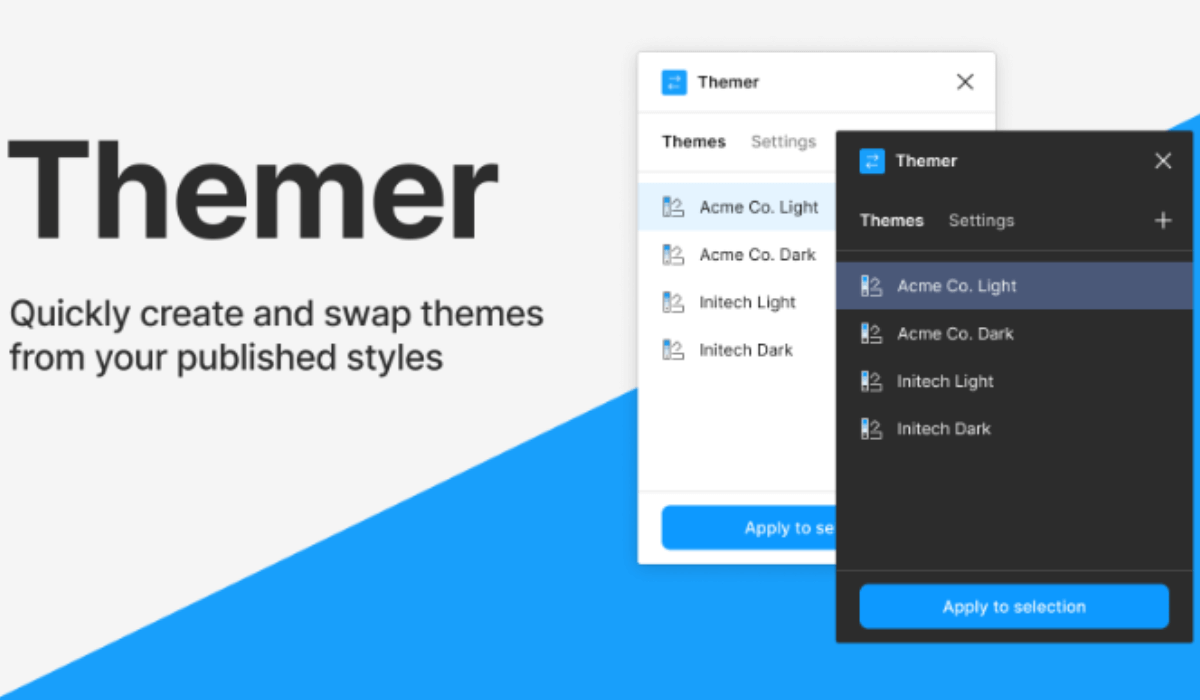
  • Themer

Overview: Themer is a Figma plugin that provides a solution for creating and managing design themes, allowing designers to easily switch between light and dark modes or different color schemes across a project.

Functionality: It enables the creation of multiple theme styles that can be applied globally to a design, ensuring consistency and saving immense time during the design process.

Application: Essential for products that offer multiple theme options, ensuring a cohesive look and feel across all user preferences.

Figma Plugins 3

CHECK THE LINK

  • Ando

Overview: Ando is a utility plugin that offers a collection of design tools and shortcuts, designed to improve efficiency and workflow.

Functionality: From color adjustments to layout alignments, Ando provides a toolkit that simplifies common design tasks.

Application: A valuable resource for any designer looking to speed up their design process without sacrificing quality.

Figma Plugins 4

CHECK THE LINK

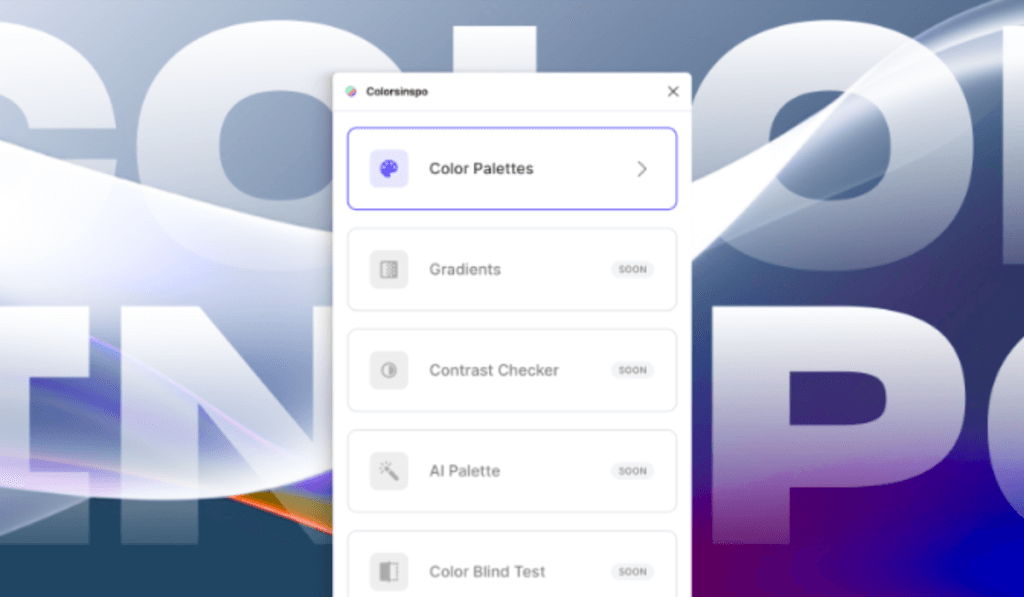
  • Color Palettes

Overview: Color Palettes revolutionize the way designers interact with color schemes, making it easier than ever to find and apply beautiful, cohesive palettes directly in Figma. This plugin is a godsend for those striving to create designs with perfect color harmony.

Functionality: It analyzes existing elements in your design to suggest complementary colors, or you can explore and apply pre-defined palettes based on color theory. This not only saves time but ensures your designs are visually appealing.

Application: Ideal for branding projects or any design requiring a unique and consistent color scheme. It eliminates the guesswork in color selection, empowering designers to create with confidence.

Figma Plugins 5

CHECK THE LINK

  • Autoflow

Overview: Autoflow is a Figma plugin that simplifies the creation of flowcharts and user journey maps, turning what could be a tedious process into a seamless, enjoyable task. It’s indispensable for UX/UI designers who map out complex processes.

Functionality: By selecting two objects, Autoflow draws an arrowed line to connect them, making it easy to visualize user flows or software architectures. This automatic connection saves significant time and maintains a clean, professional look.

Application: Perfect for presentations, brainstorming sessions, and documentation. Autoflow helps in creating clear and informative flowcharts that enhance communication within and across teams.

Figma Plugins 6

CHECK THE LINK

  • Remove BG

Overview: Remove BG is a quick fix for isolating subjects from their backgrounds in images. This plugin uses advanced algorithms to detect and remove backgrounds, making it an essential tool for designers who work with images frequently.

Functionality: With just a click, it precisely removes an image’s background, saving hours you would otherwise spend on manual editing. The plugin supports a range of image types, offering flexibility in its use.

Application: Ideal for marketing materials, website design, or any project requiring clean, professional-looking images without the hassle of manual editing.

Figma Plugins 7

CHECK THE LINK

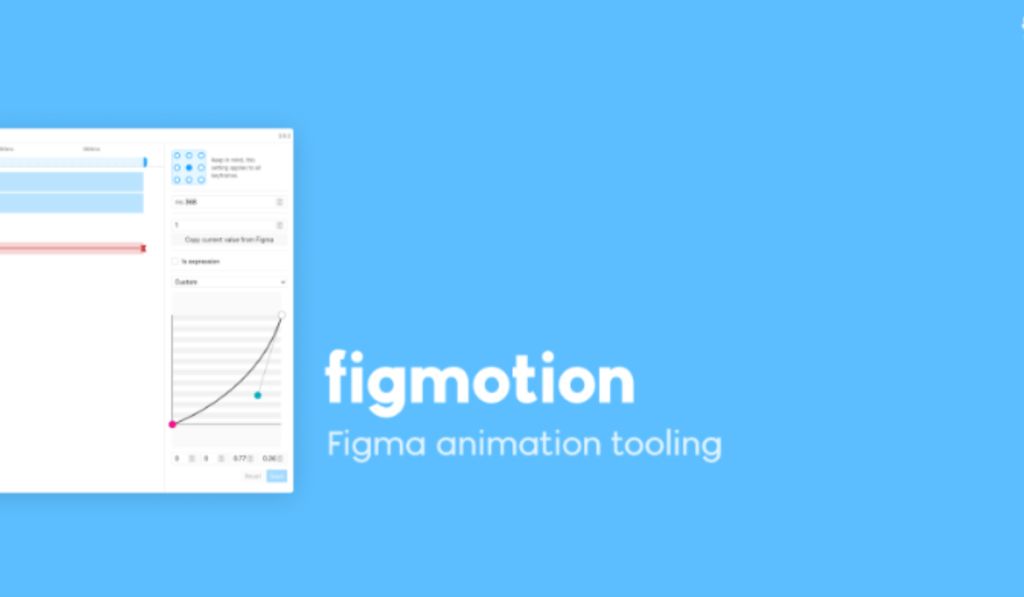
  • Figmotion

Overview: Figmotion introduces animation capabilities directly within Figma, enabling designers to bring their creations to life without needing specialized animation software.

Functionality: It offers a simple timeline and keyframe interface, allowing for the animation of any design element. Export options include GIFs or video files, making it versatile for different mediums.

Application: Use Figmotion to create dynamic prototypes, add engaging animations to web or mobile designs, or simply to experiment with motion design in your projects.

Figma Plugins 8

CHECK THE LINK

  • Brands Colors

Overview: Brands Colors is a quick reference tool for designers needing accurate brand color codes. This plugin ensures brand consistency by providing easy access to an extensive library of official colors from globally recognized brands.

Functionality: It’s a simple yet powerful tool that allows designers to search and apply brand-specific colors to their designs, ensuring that all creative outputs adhere to brand guidelines.

Application: Essential for advertising, brand management, and marketing projects where precise color representation is critical for brand identity.

Figma Plugins 9

CHECK THE LINK

  • Unsplash

Overview: Unsplash offers direct access within Figma to a vast library of free, high-quality images. This integration makes it incredibly easy to find and use stunning photography without leaving your design environment.

Functionality: You can search, preview, and insert images directly into your designs. This seamless integration saves time and enhances the visual quality of any project.

Application: Perfect for any project that could benefit from high-quality images, from web design to marketing materials, without worrying about copyright issues.

Figma Plugins 10

CHECK THE LINK

  • Mapsicle

Overview: Mapsicle is a game-changer Figma plugin for designers needing to integrate maps into their projects. It offers extensive customization options, making generic map embeds a thing of the past.

Functionality: Customize the location, appearance, and zoom level of maps directly within Figma, creating dynamic, interactive map experiences for your designs.

Application: Ideal for projects requiring maps, such as event invitations, apps with location features, or any digital product that benefits from geolocation.

Hire a professional UI/UX design company in Kolkata to enhance your website-building journey.

  • Responsify

Overview: Responsify aids in the creation of responsive designs, providing tools to test and adjust designs across various screen sizes and devices.

Functionality: It offers a range of preset device sizes, but you can also define custom sizes. This flexibility ensures that designs look great on any screen.

Application: A must-use for web and mobile designers, ensuring that designs are not only aesthetically pleasing but also functional across different devices.

Figma Plugins 11

CHECK THE LINK

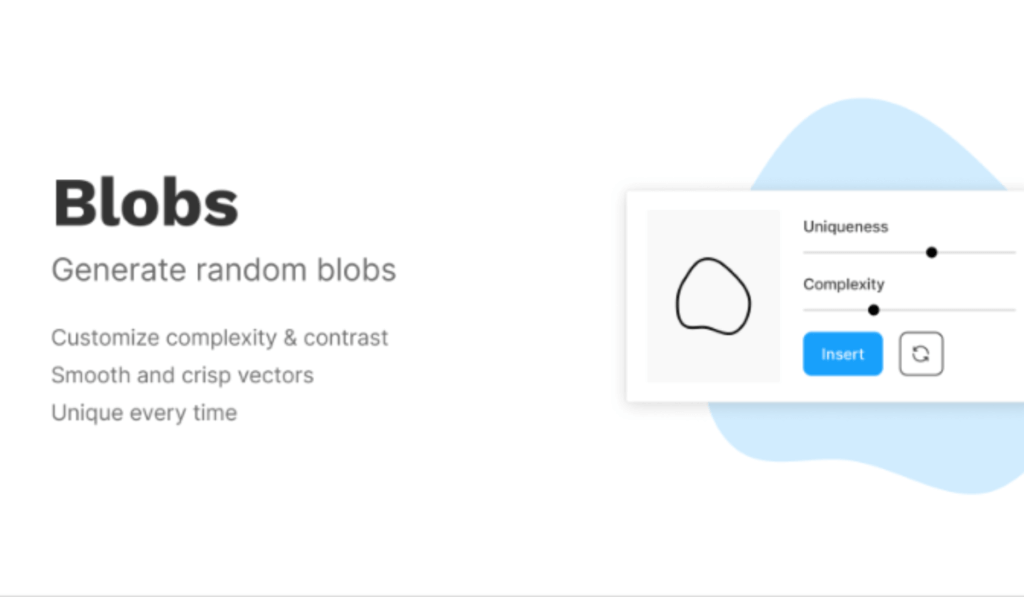
  • Blobs

Overview: Blobs is a Figma plugin that offers a unique way to create organic, blob-shaped backgrounds and elements, injecting a playful, dynamic aesthetic into designs.

Functionality: It generates customizable, scalable vector blobs that can be modified in terms of complexity, contrast, and color. This plugin allows for the creation of unique, eye-catching designs with just a few clicks.

Application: Perfect for creating engaging backgrounds, standout web elements, or unique branding materials that require a touch of creativity and differentiation.

Figma Plugins 12

CHECK THE LINK

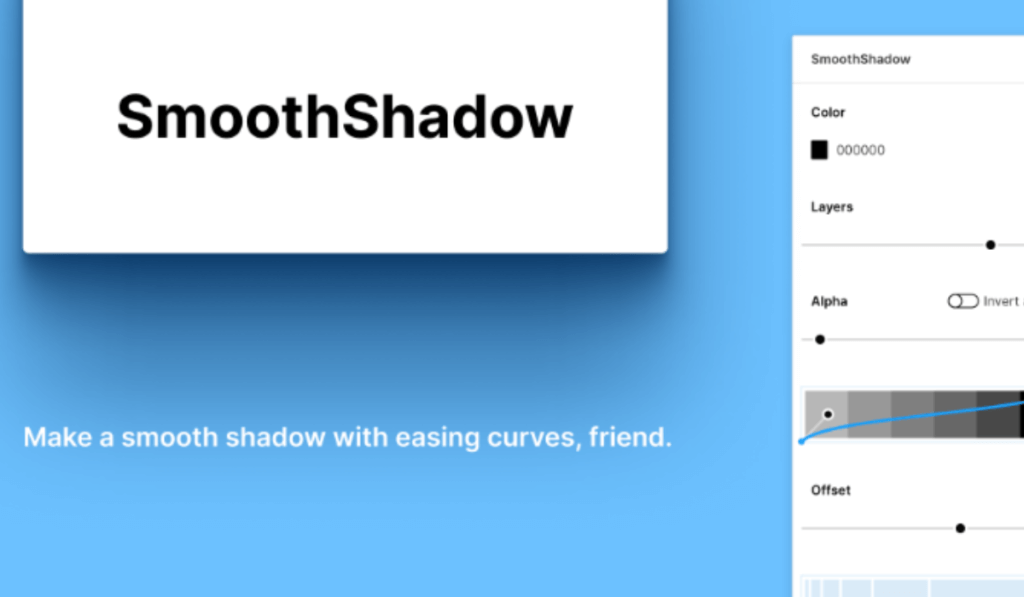
  • SmoothShadow

Overview: SmoothShadow elevates the visual depth of designs with its ability to create more nuanced and natural-looking shadows, far surpassing the basic shadow options in Figma.

Functionality: It allows for fine-tuning shadow properties such as color, opacity, blur radius, and x/y offsets, enabling designers to craft perfectly soft, smooth shadows.

Application: Ideal for UI elements, cards, and modal windows, where a subtle shadow effect can greatly enhance the visual hierarchy and aesthetics.

Figma Plugins 13


CHECK THE LINK

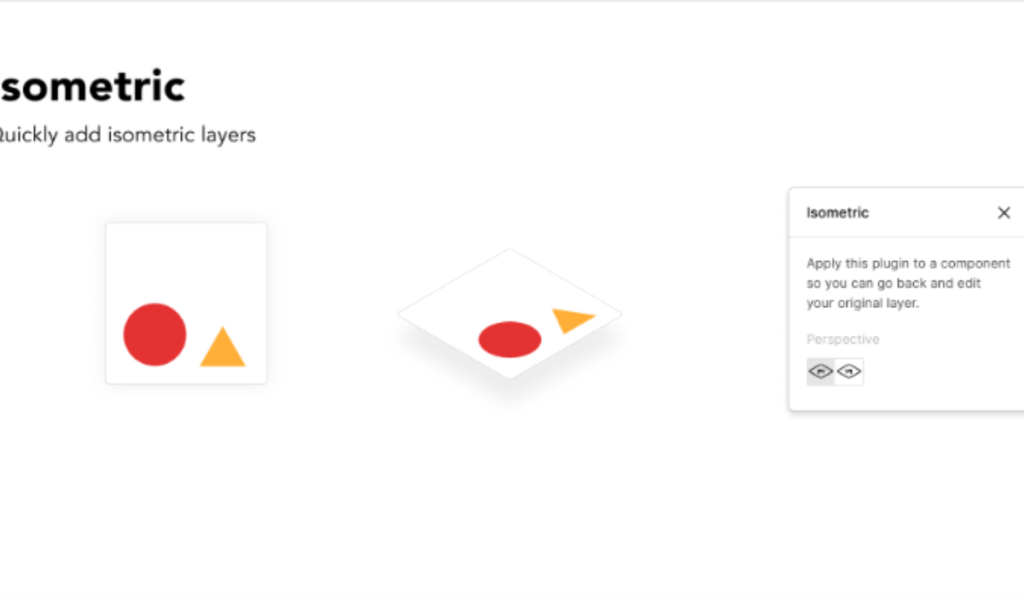
  • Isometric

Overview: Isometric transforms flat designs into isometric art, allowing for the creation of 3D-looking visuals without needing specialized 3D modeling software.

Functionality: This plugin automates the process of skewing and scaling elements to fit an isometric perspective, making it easy to create complex isometric illustrations.

Application: Use it to add depth to illustrations, create isometric icons, or enhance presentations and infographics with 3D-like visuals.

Figma Plugins 14

CHECK THE LINK

  • Content Reel

Overview: Content Reel assists in populating designs with realistic text, images, and avatars, streamlining the design process and enhancing the final look with minimal effort.

Functionality: It sources content from a vast library or allows you to create custom reels, ensuring that placeholders reflect the final content’s look and feel.

Application: Essential for prototyping and final designs, allowing for a more accurate representation of how a project will look with real content.

Figma Plugins 15

CHECK THE LINK

  • Webgradients

Overview: Webgradients brings a collection of beautiful, web-ready gradients directly into Figma, perfect for adding vibrant backgrounds and elements to your designs.

Functionality: With a simple interface, it allows designers to explore, preview, and apply gradients, boosting the visual impact of any project.

Application: Ideal for backgrounds, buttons, or any design element that could benefit from a touch of color and depth.

Figma Plugins 16

CHECK THE LINK

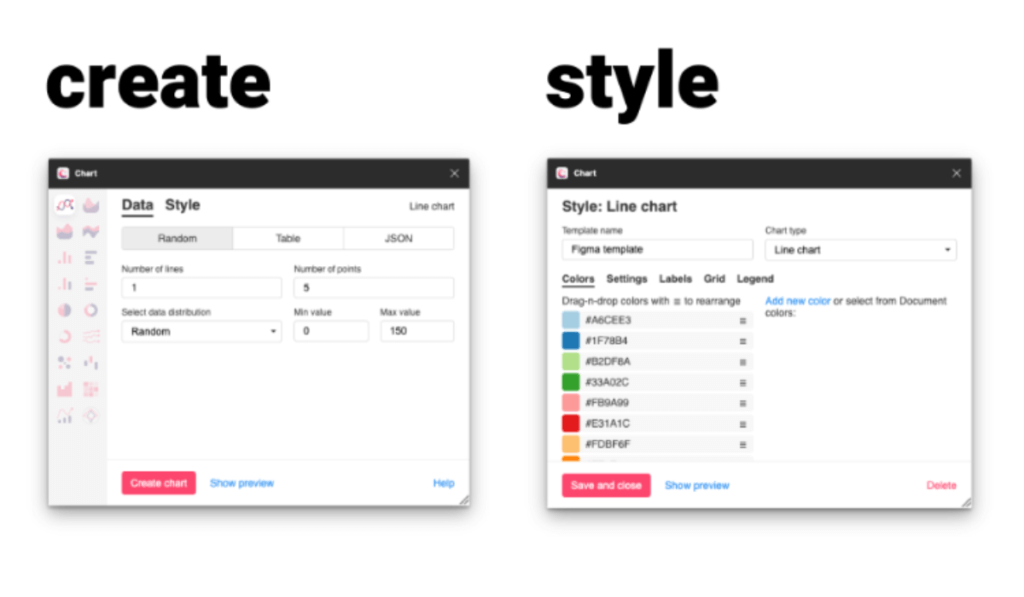
  • Chart

Overview: Chart is a Figma plugin that simplifies the creation of data visualizations within Figma, making it easy to transform data into beautiful, informative charts.

Functionality: It supports various chart types and allows for the customization of data points, making it versatile for all kinds of data representation needs.

Application: Perfect for infographics, dashboards, presentations, or any project that requires clear and compelling data visualization.

Figma Plugins 17

CHECK THE LINK

  • Magician

Overview: Magician offers a suite of tools to enhance the functionality of Figma, including automation scripts and shortcuts that streamline repetitive tasks.

Functionality: From batch renaming layers to quick layout adjustments, Magician equips designers with the tools to work more efficiently and focus on creativity.

Application: Ideal for designers looking to optimize their workflow and reduce time spent on manual adjustments.

Figma Plugins 18

CHECK THE LINK

  • Figma Autoname

Overview: Figma Autoname saves time and ensures consistency by automatically naming layers and frames based on customizable rules.

Functionality: This plugin eliminates the tedious task of manually naming elements, allowing for a more organized and manageable workspace.

Application: Essential for large projects or teams that require a systematic naming convention to maintain order and efficiency.

Figma Plugins 19

CHECK THE LINK

  • Automator

Overview: Automator lets you create and run custom automation scripts within Figma, transforming repetitive tasks into one-click actions.

Functionality: It can automate a wide range of tasks, from layer adjustments to exporting assets, significantly speeding up the design process.

Application: Perfect for designers who frequently find themselves performing the same actions and looking for ways to streamline their workflow.

Figma Plugins 20

CHECK THE LINK

  • Wireframe Designer

Overview: Wireframe Designer is a comprehensive toolkit for quickly creating high-fidelity wireframes, offering a wide range of UI elements and icons.

Functionality: This plugin provides everything needed to create detailed wireframes, from navigation bars to form elements, all customizable to fit any project.

Application: Ideal for UX/UI designers in the early stages of design, enabling rapid prototyping and conceptualization.

Figma Plugins 21

CHECK THE LINK

  • Relume Ipsum

Overview: Relume Ipsum is another Figma plugin that replaces the traditional Lorem Ipsum with more meaningful placeholder text, tailored to the context of your design.

Functionality: It generates placeholder text that closely resembles final content, providing a more accurate representation of text layouts.

Application: Use it to enhance the realism of prototypes and mockups, particularly useful in user testing and client presentations.

Figma Plugins 22

CHECK THE LINK

  • Clueify

Overview: Clueify offers insights into how users interact with design prototypes, providing valuable feedback for iterative design improvements.

Functionality: It tracks clicks and engagement within prototypes, helping designers understand user behavior and preferences.

Application: Essential for UX research and testing, allowing designers to make data-driven decisions to improve usability and user experience.

Figma Plugins 23


CHECK THE LINK

  • Magestic

Overview: Magestic brings advanced typographic controls to Figma, enabling designers to fine-tune text with precision and creativity.

Functionality: It expands on Figma’s native text options, offering additional controls for letter spacing, line height, and other typographic adjustments.

Application: Perfect for designers who are particular about typography and want to achieve the perfect text layout and readability.

Figma Plugins 24

CHECK THE LINK

Conclusion

These plugins represent just a fraction of what’s available on Figma, but they stand out for their ability to streamline processes, enhance creativity, and facilitate a more efficient design workflow. Every above-mentioned Figma plugin offers unique capabilities to enhance the design process, whether through automation, efficiency improvements, or creative expression. By incorporating these tools into your arsenal, you can significantly improve the quality and speed of your design projects.

Nykaa & Falguni Nayar: the Hero Behind the Succes Story

Nykaa is a name known to every beauty and makeup connoisseur in India. It is the brainchild of Falguni Nayar as the first one-stop shop for all cosmetics brands.Started as an eCommerce website, this brand is now one of the largest online retailers for cosmetics, skincare, haircare, and personal care products in India.

However, the most astonishing part of Nykaa is the year around sales and a huge range of products and brands.

In this case study, we will discuss the beginning, journey, and success along with the ideation and actualization of Nykaa by Falguni Nayar.

All About Nykaa

Nykaa is an Indian eCommerce platform offering a wide range of wellness, beauty, and fashion items. It features products from both domestic and international brands.

The name Nykaa is derived from the Sanskrit word “Nayaka” which means “the one in the spotlight.”

Operating on an inventory-led model, the brand boasts warehouses across major Indian cities including Mumbai, Pune, New Delhi, Kolkata, Haryana, and Bangalore, hosting over 200,000 products from more than 2,000 brands.

By 2020, Nykaa’s valuation soared to Rs.85 billion, marking its status as the first unicorn startup spearheaded by an Indian woman.

Beyond its core online operations, Nykaa expanded into the physical retail sector, opening 76 stores throughout India. Its physical footprint includes three types of stores: Nykaa On Trend, Nykaa Luxe, and Nykaa Beauty Kiosks.

Moreover, Nykaa has developed a range of proprietary fashion and beauty brands, such as:

Nykaa House of Brands includes Nykaa Cosmetics, Kay Beauty, and Nykaa Naturals.

Nykaa Fashion features brands like 20 Dresses, Nykd by Nykaa, Likha, RSVP, Pipa Bella, and Mondno.

In 2015, the company introduced its own beauty line, Nykaa Cosmetics, expanding into various categories including eyes, lips, nails, and face products.

The Nykaa Naturals line offers skincare and personal care items, launching the Wanderlust Bath & Body collection in 2019.

That same year, Nykaa collaborated with celebrated designer Masaba Gupta to launch the Masaba by Nykaa beauty line.

With this background on Nykaa, let’s delve into the company’s journey.

Nayar’s Career Journey 

In 2012, Falguni Nayar, with her rich background as an investment banker, embarked on an entrepreneurial journey by launching Nykaa. Her career spanned over two decades in the finance sector before she decided to start her own venture.

Nayar, who served as a Managing Director at Kotak Mahindra Capital Company, initiated Nykaa as an online platform offering an extensive selection of wellness and beauty products.

After earning her MBA from IIM Ahmedabad, Nayar began her career at A F Ferguson & Co., where she held a managerial position for eight years. She subsequently moved to Kotak Mahindra Capital Company, a prominent investment bank in India, eventually taking the helm of Kotak Securities. 

By 2007, she had ascended to the role of Managing Director at Kotak Investment Banking. Following an 18-year tenure at the bank, Nayar departed to create her own enterprise, Nykaa.com.

Falguni Nayar

The Journey of Nykaa

Nykaa introduced a revolutionary concept to Indian consumers, combining a wide range of products from affordable and luxury brands with a focus on less harmful ingredients, all available in one place.

Beyond offering products, Nykaa has built an extensive repository of informative blogs, forums, and articles, fostering a community where users can exchange insights. As of the last report, Falguni Nayar’s net worth stood at an impressive Rs. 57,000 crores.

Nayar plays a significant role beyond Nykaa, being a Founding Member of the Asia Society in India and serving on several prestigious boards, including those of Dabur India and Aviva Insurance, as well as being an Independent Member of the Tata Motors Board. Her journey exemplifies that she is not only a successful entrepreneur but also a dedicated homemaker, inspiring many with her business acumen, meticulous attention to detail, and hands-on approach in every facet of her company.

Falguni Nayar has indeed debunked the myth that age is a barrier to entrepreneurship, setting a stellar example for aspiring business owners worldwide. This introduction sets the stage to delve deeper into the business model that underpins Nykaa’s success. Let’s explore how this model operates.

The Game Changer Business Model

Nykaa adopted an inventory-based eCommerce model. The inventory business model is a traditional retail strategy where a company purchases and maintains a stock of products to sell to customers. 

👉Key Components

Stock Ownership: At the heart of the inventory model is the ownership of stock. Businesses invest capital to buy products in bulk, store them, and then sell these items to consumers at a markup.

Warehousing and Storage: Effective storage solutions are crucial. Businesses must manage warehousing logistics to ensure products are stored safely and can be accessed efficiently for order fulfillment.

Inventory Management: Keeping track of stock levels, reordering products, and managing overstock or understock situations are fundamental aspects. Effective inventory management helps in reducing holding costs and maximizing sales.

👉Advantages

Control Over Inventory: Businesses have complete control over their stock, allowing for immediate response to consumer demand and quality assurance.

Higher Profit Margins: Purchasing products in bulk often leads to lower costs per unit, which can translate into higher profit margins when items are sold at retail prices.

Brand Identity: Selling products under your brand name can strengthen brand identity and loyalty among customers.

👉Nykaa’s business model

  • Nykaa strategically positions its inventory within key warehouses located in Mumbai, New Delhi, and Bengaluru. This setup enables the direct sale of products to consumers, enhancing the brand’s profit margins significantly.
  • The responsibility for any product damages lies entirely with Nykaa. The company reached its financial breakeven point five years after commencing operations. Nykaa has also established its physical presence through nearly 35 offline stores across the country.
  • There are two main types of Nykaa stores: Nykaa Luxe and Nykaa On-Trend. Nykaa Luxe stores offer a range of luxury beauty brands, while Nykaa On-Trend stores focus on offering products that are currently popular among consumers.
  • Targeting a demographic of 22 to 35 years old, Nykaa aims to appeal to a young and fashion-forward audience, understanding their preferences and trends.

Nykaa’s Marketing Strategy

Nykaa, a leading Indian e-commerce platform specializing in beauty and wellness products, has employed a multifaceted approach to marketing since its inception. This strategy has been pivotal in establishing its brand presence, engaging customers, and boosting sales. The company’s efforts span influencer marketing, content creation, loyalty programs, exclusive collaborations, and aggressive sales promotions, each contributing significantly to its success.

NYkaa Product store

👉Influencer Marketing

One of Nykaa’s standout strategies has been its collaboration with social media influencers and beauty professionals. By partnering with well-known figures such as makeup artist Namrata Soni and fashion influencer Masoom Minawala, Nykaa has tapped into the influencers’ vast followings to promote its products and launch new categories, such as Kay Beauty. These collaborations have not only amplified its reach but also added credibility to Nykaa’s offerings.

👉Content Marketing

Investing in high-quality, engaging content has been another cornerstone of Nykaa’s marketing efforts. The brand operates a dedicated blog and YouTube channel offering beauty and wellness tips, product reviews, and tutorials, thereby fostering a community of beauty enthusiasts. Furthermore, the launch of the Nykaa Network, an online magazine, underscores its commitment to becoming a content powerhouse in the beauty and lifestyle space.

👉Customer Loyalty Programs

Understanding the value of customer retention, Nykaa introduced loyalty programs aimed at encouraging repeat purchases. The Nykaa Rewards program rewards customers with points redeemable against future purchases. For its most dedicated customers, Nykaa Prive offers additional perks, including personalized recommendations and exclusive early access to new products, enhancing the shopping experience and fostering brand loyalty.

👉Collaborations and Exclusive Launches

Nykaa’s strategy of partnering with renowned brands and celebrities for exclusive product launches has significantly boosted its brand appeal. Collaborations with fashion and beauty icons like Masaba Gupta, and Katrina Kaif, and international brands such as Huda Beauty and Dior have attracted a wide customer base, looking for exclusive and premium beauty products. These partnerships have positioned Nykaa as a go-to platform for unique beauty finds.

👉Sales and Promotions

Regular sales and promotional events are key tactics Nykaa uses to maintain customer engagement and boost sales volumes. The Nykaa Pink Friday Sale, akin to global discount events, offers steep discounts across a vast product range, drawing in crowds of eager shoppers. Seasonal discounts, festive offers, and flash sales further stimulate buying, making Nykaa a competitive player in the e-commerce space.

So, Nykaa’s marketing strategies are a testament to its innovative approach to building a strong brand in the competitive beauty industry. Through effective influencer partnerships, compelling content marketing, rewarding loyalty programs, strategic collaborations, and dynamic sales promotions, Nykaa has not only captured but also sustained the interest of its target audience. 

These efforts underscore the importance of a diverse marketing strategy that caters to various customer touchpoints, encouraging both engagement and loyalty toward the brand. As Nykaa continues to expand its reach, these foundational marketing pillars will undoubtedly play a crucial role in its ongoing and future success.

Revenue Streams of Nykaa

Nykaa has adeptly harnessed multiple revenue streams to cement its position as a leading e-commerce platform. This diversified revenue model not only fuels its expansive growth but also strengthens its market presence across various segments.

👉Revenue Generation from Product Sales

At the heart of Nykaa’s revenue generation is its extensive catalogue of beauty and wellness products. The platform showcases a vast array of items from both domestic and international brands, including Nykaa’s own in-house labels. By marking up these products, Nykaa secures a substantial portion of its income. Additionally, the company employs a strategic mix of discounts, deals, and promotional campaigns to attract and retain customers, further amplifying its sales revenue.

👉Earnings through Advertising

Nykaa leverages its considerable customer base by offering advertising opportunities to other brands, turning its platform into a lucrative space for targeted advertisements. The company provides a suite of advertising solutions, ranging from display ads on its website to sponsored content and influencer collaborations on social media channels. These advertising ventures create an additional revenue stream, with brands paying premium fees for visibility among Nykaa’s engaged audience.

👉Commissions from Third-Party Seller

Another significant revenue channel for Nykaa comes from commissions on sales made by third-party sellers on its platform. This commission-based model varies according to several factors, including product type, seller profile, and pricing strategies, allowing Nykaa to earn a percentage of each transaction. This not only enriches Nykaa’s product offerings but also provides a steady income from the platform’s expansive sales activities.

👉Revenue from Physical Outlets

Expanding beyond the digital realm, Nykaa has established a physical retail presence across India. These brick-and-mortar outlets not only serve as experiential zones where customers can try products firsthand but also contribute directly to Nykaa’s revenue through in-store sales. This offline expansion strategy complements its online operations, offering customers a holistic shopping experience while boosting the company’s overall sales figures.

👉Profits from Beauty Service Offerings

In a move to diversify its service offerings, Nykaa also ventures into the realm of beauty services. Offered at its physical stores, these services range from makeovers and facials to nail art, attracting customers seeking professional beauty treatments. This segment not only enhances customer engagement but also opens up another revenue pathway, with customers paying for these premium services.

SWOT Analysis of Nykaa 

👉Strengths of Nykaa:

  • Nykaa boasts a formidable distribution network, offering easy accessibility of products to a broad consumer base, enhancing market reach.
  • Its cost-efficient structure enables competitive pricing, attracting more customers.
  • The brand’s strong dealer network is crucial, providing steady supplies while also focusing on product support and training.
  • Social media significantly contributes to Nykaa’s strength, with its robust presence and customer engagement amassing millions of followers.
  • Geographical advantages offer Nykaa cost benefits over competitors, alongside innovation allowing for new product developments and market expansions.
  • Nykaa’s partnership programs, involving collaborations with dealers, suppliers, and stakeholders, fortify its business model.
  • A diverse product range across various categories marks one of Nykaa’s key strengths.

👉Weaknesses of Nykaa:

  • The company’s research and development expenditure surpasses the industry’s average, potentially affecting profitability.
  • A significant portion of Nykaa’s assets is leased, not owned, leading to increased operational costs.
  • Nykaa’s liquidity to meet short-term obligations lags behind industry averages.
  • Market research has been neglected for two years, potentially impacting strategic decisions.
  • Quality control budgets are lower than competitors’, risking product consistency.

👉Opportunities for Nykaa:

  • The global surge in internet usage presents an opportunity for Nykaa to expand its online footprint.
  • E-commerce growth offers significant revenue potential through online store expansions.
  • The rise in social media usage across platforms like Instagram, Twitter, and Facebook opens new avenues for marketing.
  • Advancements in technology enhance customer data analysis, improving marketing strategies.
  • Increasing population and health consciousness among consumers signal growing market segments for Nykaa to target.

👉Threats to Nykaa Beauty:

  • Competitors’ technological advancements pose a serious threat to Nykaa’s market position.
  • New market entrants erode existing market shares, challenging Nykaa’s dominance.
  • Intensified industry competition pressures pricing, potentially reducing revenues.
  • Shifting consumer preferences requires continuous product innovation to meet demand.
  • The rise in substitute beauty products threatens the demand for Nykaa’s offerings.
  • Competitor advertising campaigns intensify the market competition for Nykaa.

Challenges Faced by Nykaa:

In the course of time, Nykaa has faced quite a few hurdles towards it’s growth and tactfully handled those:

👉Entry and Competition

Entering the beauty and cosmetics sector later than others, Nykaa found itself in a fiercely competitive landscape dominated by giants like Myntra and Ajio. These established players had already captured significant market share, making Nykaa’s entry a daunting challenge.

👉Establishing a Unique Fashion Identity

A crucial task for Nykaa was carving out a unique selling proposition (USP) in the fashion segment. Differentiating itself from the competition required innovative strategies and offerings to appeal to a discerning customer base.

👉Technical Hurdles and Solutions

At its inception, Nykaa faced technical difficulties; its website could not handle more than 100 orders at a time without crashing. This issue was a significant hurdle in providing a seamless shopping experience. However, with determination and technical improvements, Nykaa overcame these obstacles, setting the stage for future growth and expansion.

👉Customer Engagement and Satisfaction

Nykaa recognizes the importance of engaging customers and providing an exceptional shopping experience. The company believes that its success hinges on its ability to keep the customers interested and satisfied; failing to do so could lead to disappointment and a loss of clientele.

👉Legal Challenges and Resolutions

In November 2019, Nykaa faced a legal challenge from L’O’real, which accused it of copyright infringement. L’O’real alleged that Nykaa’s packaging bore a striking resemblance to that of Maybelline, a brand owned by L’O’real. 

The potential for a prolonged legal battle loomed, but the companies chose to settle. The agreement reached allowed Nykaa to continue operations with new, modified artwork approved by L’O’real, as sanctioned by the Delhi District and the High Court of Delhi.

The Ascendancy of Nykaa: A Chronicle of Growth and Innovation

Nykaa’s journey from its inception in 2012 to becoming a behemoth in India’s online beauty and wellness sector is a testament to strategic vision and relentless execution. The company has outpaced traditional metrics, setting new benchmarks in the e-commerce landscape. This narrative explores the key facets of Nykaa’s growth story, underpinned by strategic KPIs and culminating in a landmark IPO.

👉Key Performance Indicators (KPIs) of Growth

Revenue Surge: Nykaa’s financial trajectory showcases an impressive Compound Annual Growth Rate (CAGR) of over 80%, with revenue escalating from Rs. 214 crore in FY 2016-17 to Rs. 2,137 crore in FY 2020-21.

Expanding Customer Base: The platform boasts over 5 million monthly active users as of 2020, with a remarkable repeat purchase rate of over 70%, indicating strong customer retention and loyalty.

Diversified Product Portfolio: Nykaa’s expansive catalog features over 1,500 brands and 150,000 products, offering unparalleled variety to its customers.

Private Label Success: With over 35 private label brands, Nykaa has successfully captured consumer interest, with private label sales constituting more than 50% of total revenue.

Offline Footprint: The establishment of over 100 physical stores across India has enhanced customer engagement and brand visibility, merging the online-offline shopping experience seamlessly.

Growing Workforce: The company’s workforce has seen a significant uptick, growing to over 4,000 employees, underscoring Nykaa’s role as a major employment generator.

👉The IPO Milestone

In November 2021, Nykaa embarked on a new chapter with its Initial Public Offering (IPO), marking one of the most anticipated events in India’s e-commerce sector.

IPO Valuation: The IPO was pegged at Rs 5,352 crore ($717 million), illustrating investor confidence and the company’s robust market positioning.

Share Pricing and Allocation: Shares were priced at Rs 1,125, with the company offering 45.2 million shares, blending fresh issues and an offer for sale (OFS).

Capital Utilization: Proceeds from the IPO were earmarked for capital expenditure, working capital requirements, and broader corporate purposes, laying the groundwork for future expansion.

Investor Fervor: The IPO witnessed an overwhelming subscription rate of over 80 times, with the retail segment alone oversubscribed by 13 times, showcasing widespread investor enthusiasm.

Stock Market Debut: Nykaa’s shares debuted on the Bombay Stock Exchange (BSE) and the National Stock Exchange (NSE) at Rs 2,040 per share, almost doubling the issue price, a reflection of the market’s bullish outlook on Nykaa’s business model and growth prospects.

Current Valuation: As of March 2023, Nykaa’s market capitalization stands at approximately Rs 1.8 lakh crore ($24 billion), underscoring the company’s significant value creation and sustained growth momentum.

Conclusion 

Nykaa’s remarkable journey from a startup to a leading player in India’s e-commerce and beauty industry exemplifies the power of vision, innovation, and strategic execution. Through its expansive product range, successful private label, and strategic offline expansion, Nykaa has not only captured but also nurtured a vast customer base. The overwhelming success of its IPO reflects the market’s confidence in Nykaa’s business model and growth potential. As the company continues to innovate and expand, Nykaa’s story remains a compelling case study in leveraging digital transformation to build a resilient and customer-centric business in the competitive e-commerce landscape.

More reasons to trust us!

Excellis IT is building a skilled team in IT support, customer support, digital marketing, and back-office services for modern companies.
Excellis it is an esteemed ISO/IEC 27001:2022 certified company

We achieved the prestigious certification by MSME in 2019

We are certified by the Central Vigilance Commission

We are an honoured members of NASSCOM since 2022

Excellis it is an esteemed ISO/IEC 9001:2008 certified company

Excellis it is an esteemed ISO/IEC 20000-1:2018 certified company

We are certified by the CMMI MATURITY LEVEL 5

We are certified by the GeM

Visit our Clutch profile

and discover what our clients think about working with us.

ONLINE REVIEWS: