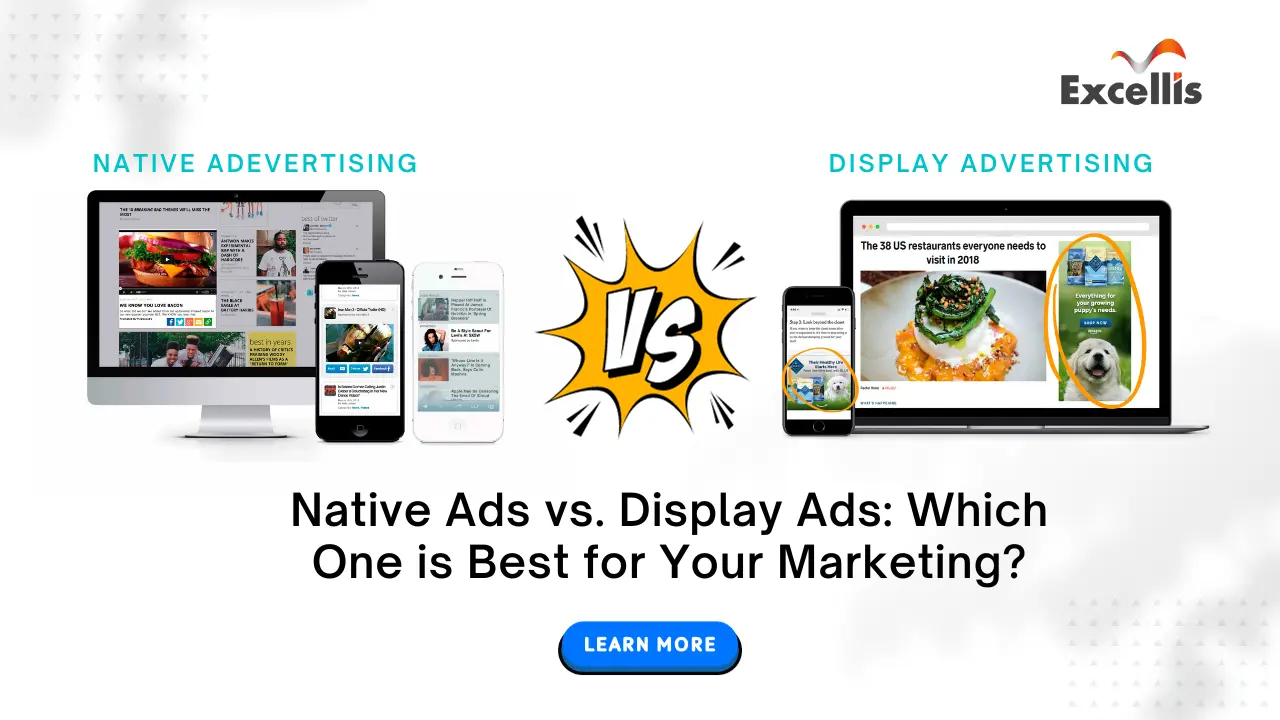
Native Ads vs. Display Ads: Which One is Best for Your Marketing?

In the dynamic realm of digital advertising, the choice between native ads and display ads is pivotal for marketers seeking maximum impact. Each offers distinct advantages, catering to diverse marketing objectives and audience preferences. Native ads seamlessly blend into content, while display ads command attention with visual flair. This guide delves into the nuances of these two advertising powerhouses, providing valuable insights to help you make an informed decision. By understanding the strengths and applications of native and display ads, you can tailor your advertising strategy to reach your target audience effectively and achieve your campaign objectives. Let’s explore the battle of native ads vs. display ads.


Definition of Native Ads

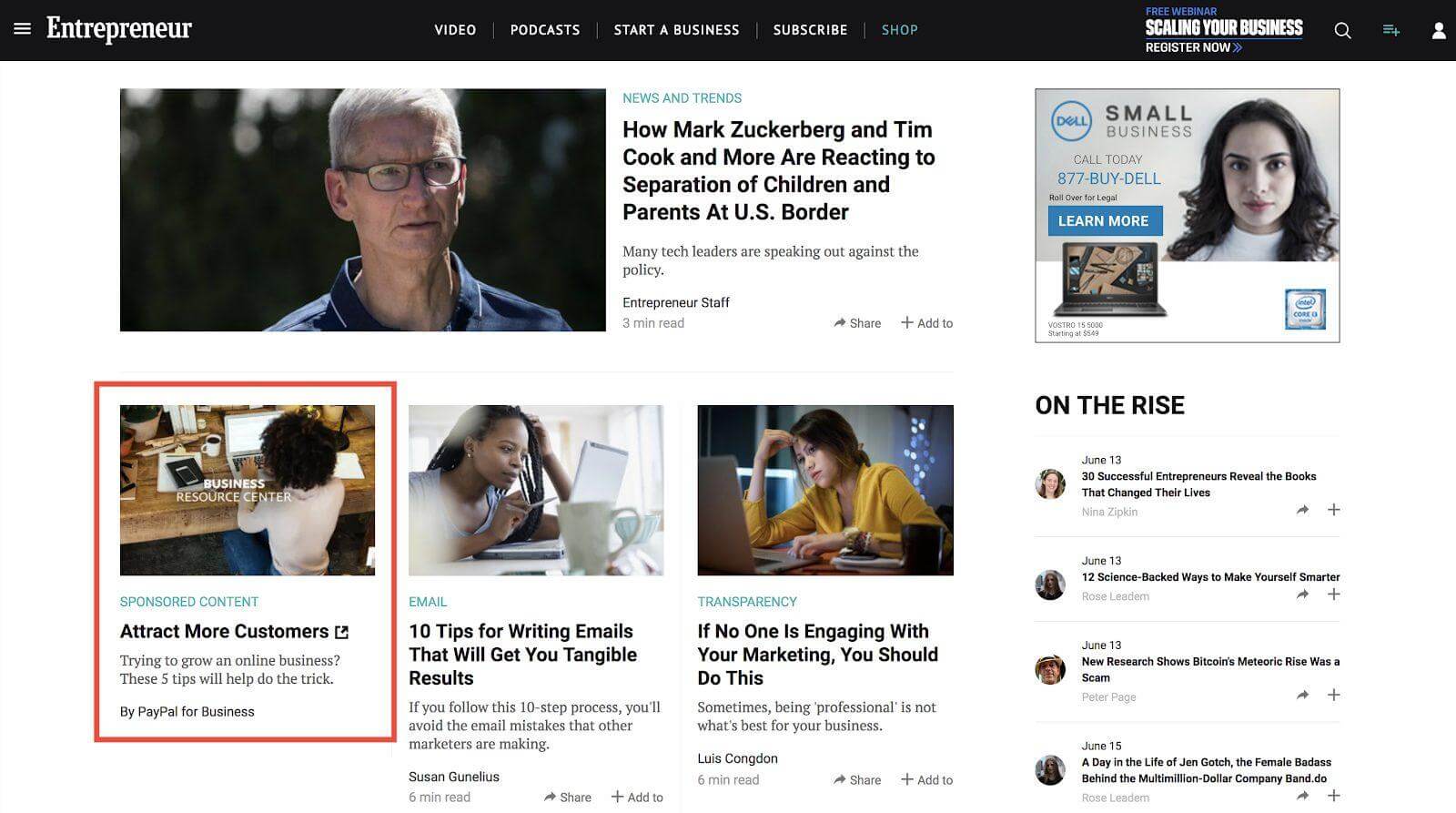
Native ads seamlessly blend into their surrounding content, mirroring the form and function of the platform they appear on. They aim to provide a non-disruptive user experience while promoting a product or service.

Definition of Display Ads

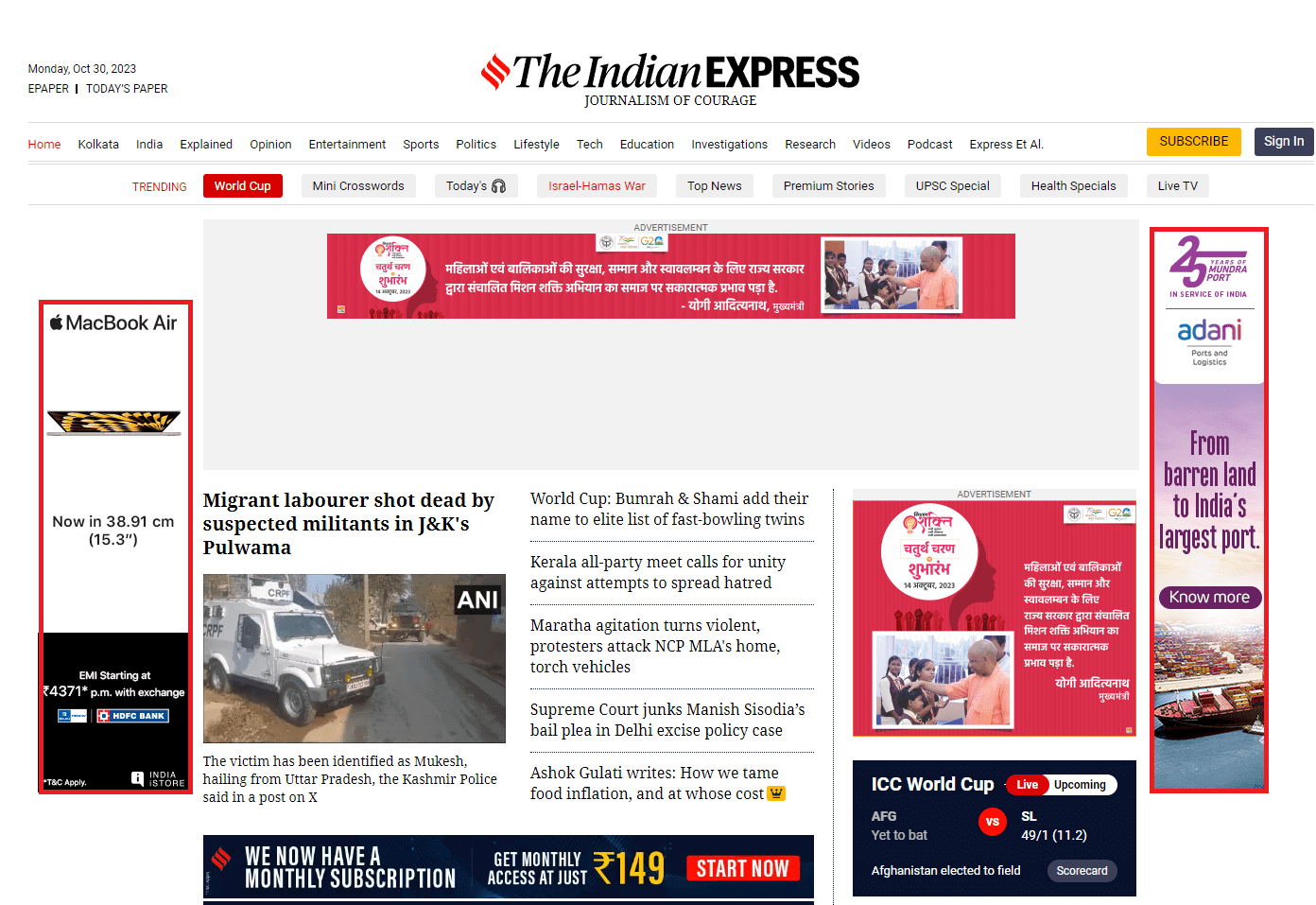
Display ads are visually prominent and designed to grab attention through banners, images, and multimedia elements. They’re typically placed in designated ad spaces on websites, distinct from the site’s organic content.

Importance of Understanding the Differences

Distinguishing between native and display ads is crucial for marketers. It guides content creation and placement strategies, ensuring campaigns resonate with audiences effectively. This understanding optimizes user engagement, click-through rates, and overall campaign success.

Native Ads Explained
native-ad

When we discuss native ads vs. display ads, obtaining an in-depth knowledge of both is essential. Native advertising has revolutionized the digital marketing landscape with its ability to seamlessly integrate promotional content into the user’s browsing experience. Understanding the distinctive characteristics and types of native ads provides marketers with a powerful tool for engaging their target audience effectively.

Characteristics of Native Ads

Integration with Content:

Native ads are designed to blend harmoniously with the surrounding content, adopting the look and feel of the platform they appear on. This integration ensures that the promotional material feels organic and non-intrusive, enhancing the user experience.

Non-Disruptive Format:

Unlike traditional interruptive advertising methods, native ads do not disrupt the user’s browsing flow. Instead, they provide relevant and valuable information, creating a more seamless transition between the ad and the content.

Match with Platform’s Style:

Native ads are meticulously crafted to align with the style, tone, and design of the platform. This adaptability ensures that the ad appears as a natural extension of the content, resonating with the audience in a way that traditional ads often struggle to achieve.

Types of Native Ads

In-Feed Ads:

These creative ads appear within the content feed of a platform, such as social media feeds or news websites. They maintain a similar format to the surrounding content, allowing them to flow seamlessly within the user’s browsing experience.

Sponsored Content:

Sponsored content involves creating articles, videos, or other forms of content that are funded by an advertiser. This content is then published on a platform, often marked as “sponsored,” and provides value to the audience while subtly promoting a product or service.

Recommendation Widgets:

These widgets suggest related articles, products, or services based on the user’s browsing behavior. They appear at the end of articles or within designated sections, subtly encouraging further exploration.

Benefits of Native Ads

Improved User Engagement:

Native ads captivate audiences by providing relevant and valuable information, leading to higher levels of engagement. By seamlessly integrating with content, they naturally draw the user’s attention.

Higher Click-Through Rates (CTRs):

Due to their non-disruptive nature and relevance, native ads often achieve higher click-through rates compared to traditional display ads. Users are more inclined to interact with content that feels integrated and valuable.

Enhanced User Experience:

Native ads contribute to a positive browsing experience by offering content that aligns with the user’s interests. This leads to increased trust and a more favorable perception of the brand or product being promoted.

Display Ads Explained
Display Ads

To determine the best in the battle of native ads vs. display ads, it is essential to know about both. Display advertising, a cornerstone of digital marketing, leverages visual elements to capture the attention of potential customers. Understanding its characteristics, types, and benefits empowers marketers to utilize display ads effectively in their campaigns.

Characteristics of Display Ads

Visual Banner or Text:

Display ads predominantly rely on visual elements, including images, graphics, and text, to convey the promotional message. They are designed to be eye-catching and visually appealing.

Placement on Websites:

Display ads are strategically positioned on websites, often in designated ad spaces. They can appear on various pages, such as homepages, article pages, or product pages, maximizing their visibility.

Standard Ad Formats (e.g., Banners, Skyscrapers):

Display ads adhere to standardized formats, including banners (horizontal rectangles) and skyscrapers (tall vertical rectangles). These formats ensure consistency across different platforms and websites.

Types of Display Ads

Banner Ads:

Banner ads are one of the most common forms of display advertising. They appear at the top, bottom, or sides of a webpage, aiming to grab the user’s attention with visually appealing graphics and concise messaging.

Video Ads:

Video ads leverage dynamic audio-visual content to convey the message. They can be auto played or initiated by the user, providing an engaging medium for storytelling and product demonstrations.

Pop-Up Ads:

Pop-up ads appear in a separate window or overlay on top of the main content, demanding the user’s immediate attention. While they can be effective, they should be used judiciously to avoid disrupting the user’s experience.

Benefits of Display Ads

Broad Reach and Visibility:

Display ads have the potential to reach a wide audience across various websites and platforms. This broad exposure increases the likelihood of capturing the attention of potential customers.

Targeting Capabilities:

Advanced targeting options allow marketers to tailor display ads to specific demographics, interests, and behaviors. This precision ensures that the ad is shown to the most relevant audience, maximizing its effectiveness.

Brand Awareness:

Display ads play a crucial role in building brand recognition and awareness. The visual impact of these ads reinforces the brand’s identity, making it more memorable for potential customers.

Key Differences Between Native and Display Ads

Now that we know everything about native ads vs. display ads, let’s discover the key differences between them. Native and display ads represent two distinct approaches to digital advertising, each with its own set of characteristics and benefits. Understanding the key differences between them is essential for marketers to make informed decisions about which format aligns best with their campaign objectives and target audience.

Elements Native Ads Display Ads
Format and Appearance
  • Blend seamlessly with the platform’s content.
  • Match the style, tone, and design of the surrounding content.
  • Often appear as in-feed posts, sponsored articles, or recommendation widgets.
  • Utilize visually striking elements like images, graphics, and text.
  • Are more visually distinct and typically appear in designated ad spaces on websites.
  • Common formats include banners, skyscrapers, video ads, and pop-up ads.
Integration with Content
  • Integrate harmoniously with the content on the platform.
  • Provide a non-disruptive user experience.
  • Feel organic and relevant to the user’s browsing experience.
  • Are visually separate from the content, often in designated ad spaces.
  • Can be perceived as more intrusive compared to native ads.
  • May interrupt the user’s browsing flow.
User Experience
  • Enhance the overall user experience by offering valuable and relevant information.
  • Provide a seamless transition between the ad and the content.
  • May interrupt the user’s browsing experience, especially if they are pop-up ads.
  • Can sometimes be perceived as obtrusive or disruptive to the user.
Engagement Levels
  • Typically result in higher levels of engagement due to their non-disruptive nature.
  • Encourage users to interact with the content, leading to longer time spent on the page.
  • While visually appealing, may not always achieve the same level of engagement as native ads.
  • Users may be more likely to ignore or close display ads, especially if they appear intrusive.
Click-Through Rates (CTRs)
  • Tend to have higher click-through rates (CTRs) compared to display ads
  • Users are more inclined to click on native ads that seamlessly blend with the content.
  • May have lower click-through rates (CTRs) compared to native ads.
  • Achieving high CTRs with display ads often requires compelling visuals and messaging.
Platform Suitability
  • Excellently suited for social media platforms, news websites, and content-driven platforms.
  • Thrive in environments where content consumption is a primary focus.
  • Well-suited for a wide range of platforms, including websites, mobile apps, and email
  • Can be effective in catching the attention of users on various types of digital media.


When to Use Native Ads?

Native ads are a versatile and effective tool in the digital marketing toolkit. Knowing when to employ them can greatly enhance their impact on the target audience.

Content-Driven Campaigns:

Native ads are invaluable in content-driven campaigns. They seamlessly blend with the surrounding content, providing value to the user while subtly promoting a product or service. This approach fosters a positive user experience, making it ideal for content-centric marketing efforts.

Social Media Platforms:

Social media platforms are fertile ground for native advertising. Users engage with content in a highly interactive manner, and native ads can organically become part of their feed. This facilitates higher user engagement and interaction with the ad content.

Mobile Optimization:

With the surge in mobile device usage, native ads are essential for mobile optimization. They adapt seamlessly to various screen sizes and orientations, ensuring a consistent and non-intrusive experience for mobile users.

Niche Markets:

Native ads are particularly effective in niche markets or industries with specialized audiences. By integrating seamlessly with industry-specific content, they resonate more profoundly with the target demographic, leading to higher engagement and conversion rates.

When to Use Display Ads

Google display ads are a powerful tool for capturing attention and raising brand awareness. Employing them strategically can yield significant results in various marketing scenarios.

Brand Awareness Campaigns:

Display ads excel in brand awareness campaigns. Their visually striking nature ensures that the brand’s message is prominently displayed, making a lasting impression on the audience.

Remarketing Strategies:

Display ads are instrumental in remarketing efforts. They re-engage users who have previously interacted with a website or shown interest in a product or service. Display ads serve as timely reminders, encouraging users to revisit and convert.

Targeting Broad Audiences:

When the objective is to reach a wide audience, display ads are the go-to choice. Their visually appealing format ensures they grab attention, making them effective for casting a wide net and generating interest.

Visual Impact Emphasis:

In campaigns where visual impact is paramount, display ads shine. They utilize captivating images, graphics, and multimedia elements to convey the message. This is particularly effective for products or services where visuals play a significant role in consumer decision-making.

Cost Models for Native Ads

Cost Per Click (CPC):

In the cost-per-click or CPC model, advertisers pay a fee each time a user clicks on their native ad. This model is performance-based, ensuring that advertisers only pay for actual clicks, making it a cost-effective option for driving traffic to a website or landing page.

Cost Per Mille (CPM):

CPM is a pricing model where advertisers pay a set fee for every thousand impressions (views) of their native ad. While it doesn’t guarantee clicks, it can be effective for brand exposure and awareness campaigns, as advertisers pay for ad views rather than interactions.

Cost Per View (CPV):

CPV involves advertisers paying a fee each time a user views a video ad. This model is commonly used in video native advertising, allowing marketers to gauge the cost-effectiveness of their video content based on views.

Cost Models for Display Ads

CPM vs. CPC:

Display ads offer a choice between CPM and CPC models. CPM charges advertisers per thousand impressions, regardless of clicks, while CPC charges per click. Advertisers choose based on their campaign goals, with CPM focusing on brand exposure and CPC on driving traffic.

Cost Per Viewable Thousand Impressions (vCPM):

vCPM is a model that charges advertisers for viewable impressions only, ensuring that they pay for ad views that are actually seen by users. This model improves ad effectiveness and provides greater transparency in terms of ad visibility.

Cost Per Engagement (CPE):

CPE is a model tailored for interactive display ads. Advertisers pay when users engage with the ad, which could include actions like clicks, form submissions, or video interactions. This model is ideal for campaigns that prioritize user interaction and engagement metrics.

Effectiveness Metrics

The effectiveness of both native and display ads can be assessed through a combination of engagement metrics, CTR, and conversion tracking. These metrics offer valuable insights into user behavior and the impact of advertising efforts, allowing marketers to refine their strategies for optimal results.

Measuring Native Ad Success

Engagement Metrics (Likes, Comments, Shares):

Engagement metrics gauge how effectively native ads resonate with the audience. Likes, comments, and shares indicate active interest and interaction. High engagement levels signify that the content is relevant and engaging, indicating a successful native ad campaign.

Click-Through Rate (CTR):

CTR measures the effectiveness of native ads in driving user traffic to a designated landing page. It is calculated by dividing the number of clicks by the number of impressions. A higher CTR indicates that the ad successfully compelled users to take action, demonstrating its impact.

Conversion Rate:

The conversion rate assesses the percentage of users who completed a desired action after interacting with a native ad. This action could range from making a purchase to signing up for a newsletter. A high conversion rate signifies that the native ad effectively persuaded users to take the intended action, demonstrating its effectiveness in achieving campaign goals.

Measuring Display Ad Success

Impressions and Reach:

Impressions measure the total number of times a display ad is viewed by users. Combined with reach, which quantifies the number of unique users who viewed the ad, these metrics provide insight into the extent of brand exposure. Higher impressions and reach values indicate broader audience engagement.

Click-Through Rate (CTR):

CTR for display ads mirrors its counterpart in native advertising. It calculates the ratio of clicks to impressions and reflects how effectively the ad encourages user interaction. A higher CTR indicates that the display ad successfully prompted users to take action, showcasing its effectiveness.

Conversion Tracking:

Conversion tracking is paramount for measuring the success of display ads. It evaluates the number of users who completed a specific action after interacting with the ad, such as making a purchase or signing up for a service. A high conversion rate indicates that the display ad was influential in driving user actions, indicating its effectiveness in achieving campaign objectives.

Conclusion

In the battle of native ads vs. display ads, determining anyone of them as the best is difficult since both have their respective impact of marketing. Native ads seamlessly integrate with content, providing a non-disruptive user experience, while display ads command attention with visual elements. Understanding these distinctions empowers marketers to utilize each format effectively. Selecting between native and display ads hinges on campaign objectives and target audience preferences. Native ads excel in content-driven, niche markets, while display ads shine in brand awareness initiatives and broad audience targeting.

Hire a professional digital marketing company in Kolkata to leverage the power of ad marketing.

14 Benefits of Using Laravel Framework for Web Development

In the dynamic realm of web development, choosing the right framework can be a game-changer. Among the myriad options, Laravel emerges as a standout choice. Renowned for its elegant syntax and developer-friendly features, Laravel has revolutionized PHP web application development. This robust framework offers a structured foundation, streamlining tasks and empowering developers to create secure, scalable, and high-performing web applications. From seamless authorization to efficient caching and extensive third-party integrations, Laravel brings a myriad of advantages to the table. In this blog, we’ll delve into the 14 compelling benefits that make Laravel the preferred framework for modern web development.

☑ What is Laravel Framewrok?

Laravel is a renowned PHP framework of web applications, known for its elegant syntax and developer-friendly features. It provides a structured foundation for building robust and scalable web applications. With a focus on simplicity and flexibility, Laravel streamlines tasks like routing, authentication, caching, and database management. Its MVC architecture separates application logic, enhancing code maintainability. Laravel also offers features like powerful ORM (Eloquent), robust testing capabilities, and a vibrant ecosystem of extensions. This makes it a top choice for developers seeking efficiency and productivity in web development projects.

Why Choose Laravel for Web Development?

Choosing Laravel over other frameworks offers several compelling advantages. Firstly, its robust authorization system simplifies user access control, vital for secure applications. Laravel also excels in seamless email services, supporting multiple drivers for efficient communication. Its elegant syntax and caching mechanisms contribute to faster development, enhancing user experience. Security is paramount, with protection against common vulnerabilities. Effective error handling streamlines issue resolution, ensuring application reliability. The built-in testing suite assures code integrity, while clean URL routing aids SEO efforts. With MVC architecture, Laravel promotes structured development, facilitating scalability. Integration of message queues and task scheduling automates processes, boosting efficiency. These features collectively establish Laravel as a top choice for web development.

Hire a Laravel developer from the best web development company in Kolkata.

14 Benefits of Laravel Framework

Being one of the best web development frameworks, Laravel poses significant benefits to web development.  Check them out below:

      📌 MVC Architecture for Structure

Following the Model-View-Controller (MVC) architectural pattern, Laravel enforces a structured and organized development approach. This separation of concerns facilitates code maintainability, scalability, and testability. It also enables multiple developers to collaboratively work on different aspects of the application, streamlining the development process.  

     📌 Robust Authorization System

Laravel’s authorization system is a cornerstone of its security features, offering a powerful and flexible way to manage user access. Through its elegant syntax and middleware, developers can effortlessly define roles and permissions. This ensures that only authenticated and authorized users can access specific parts of the application, fortifying data security and safeguarding user privacy. This feature is instrumental in creating applications with varying user roles, such as admin panels and user-specific dashboards.

     📌 Enhanced Speed and Efficiency

The efficiency of Laravel is evident in its elegant syntax and well-structured codebase. This foundation accelerates the development process, translating to quicker project completion. Further enhancing speed, Laravel incorporates built-in caching mechanisms. Additionally, the framework supports database indexing and optimization techniques, which contribute significantly to application speed and responsiveness. These features collectively guarantee a smooth and efficient user experience.

     📌 Top-Notch Security Measures

Laravel places a paramount emphasis on application security. It shields against prevalent vulnerabilities like SQL injection, cross-site scripting, and cross-site request forgery. Laravel achieves this through a combination of features, including robust password hashing, encryption, and secure session management. These measures collectively fortify the application, ensuring it stands up to the highest standards of security.

     📌 Effective Error and Exception Handling

Exceptional error handling is a critical aspect of Laravel’s appeal. The framework simplifies the process with a unified and intuitive approach. Developers benefit from detailed error pages, comprehensive logging, and customizable error messages. These resources significantly expedite the identification and resolution of issues, bolstering the reliability and stability of the application.   

    📌 Seamless Mail Services

Laravel goes above and beyond in simplifying email services making backend web development convenient. It supports a range of drivers, including SMTP, Mailgun, and Sendmail, providing developers with versatile options for email delivery. The framework furnishes a clean and expressive API for sending not just emails, but also notifications. This capability streamlines user engagement and communication, enhancing the overall user experience. Additionally, Laravel’s seamless integration allows for easy customization and the incorporation of various delivery channels, ensuring that communication is personalized and effective.

    📌 Built-in Testing Suite

Laravel’s built-in testing suite is a boon for developers aiming to maintain code integrity. It offers a comprehensive set of tools and utilities for crafting unit tests, feature tests, and even browser tests. This functionality is essential in ensuring that code alterations do not inadvertently introduce regressions or unintended side effects. By streamlining the testing process, Laravel empowers developers to deliver robust and dependable applications.

    📌 Caching for Better Performance

Laravel’s built-in caching mechanisms play a pivotal role in optimizing performance. By storing frequently accessed data in cache, the application can retrieve it swiftly, reducing database queries and response times. This leads to a significantly enhanced user experience, particularly in high-traffic scenarios. Laravel supports various caching drivers like Redis and Memcached, providing developers with flexibility in implementation. Leveraging caching effectively not only improves the responsiveness of the application but also conserves server resources, making it a crucial tool for achieving optimal performance in web development.

    📌 Clean and SEO-Friendly URL Routing

Laravel’s routing system excels in creating clean, human-readable, and SEO-friendly URLs. Its configuration is straightforward, simplifying the management of even the most complex routing requirements. Named routes further enhance this feature, allowing for streamlined URL generation and redirection within the application. This ensures that users can navigate the application intuitively, while also benefiting SEO efforts.

SEO and Laravel (1)

    📌 Message Queue System Integration

Laravel’s built-in support for message queues is a game-changer for handling time-consuming tasks. By offloading these tasks to a queue, the main application can continue running smoothly, enhancing the overall user experience. Laravel supports various queue drivers, including Redis and RabbitMQ, providing developers with flexibility and a clean API for efficient queue management.

    📌 Task Scheduling for Automation

Automating tasks is a breeze with Laravel’s task-scheduling feature. Developers can effortlessly set up automated processes such as email sending, database maintenance, and routine tasks. This ensures that critical tasks are executed at the right times, reducing the need for manual intervention. This not only improves application efficiency but also frees up valuable developer time for more strategic tasks.

    📌 Easy Third-Party Integrations

Laravel’s modular architecture and extensive composer packages make integrating third-party services a breeze. Whether it’s payment gateways, APIs, or external libraries, Laravel’s robust ecosystem simplifies the process. This enables developers to enhance functionality without reinventing the wheel, saving time and effort in development.

    📌 Simple Website Maintenance

Laravel’s elegant syntax and organized codebase facilitate straightforward website maintenance. Its clear documentation and intuitive structure make it easy for developers to navigate and update existing code. This simplicity ensures that ongoing maintenance tasks, such as adding features or fixing bugs, can be accomplished efficiently, reducing downtime and enhancing the user experience.

Web maintanance

    📌 Cost-Efficient Site Development

Laravel accelerates development without compromising quality, making it a cost-effective choice. Its built-in features, such as authentication and caching, significantly reduce development time. Additionally, Laravel’s robust community and extensive documentation provide ample resources, lowering the learning curve for developers. This combination of efficiency and accessibility translates to cost savings in the development process.

User Read Also: How Does A Web Development Company Ensure Your Site’s Smooth Operation?

How Fast are Laravel-based Web Applications? 

Laravel-based web applications are known for their exceptional speed and efficiency. Thanks to its elegant syntax, well-structured codebase, and built-in caching mechanisms, Laravel significantly accelerates development. Additionally, support for database indexing and optimization techniques further boosts application speed and responsiveness, making it best backend framework. These features collectively ensure a seamless and rapid user experience, making Laravel a top choice for developers aiming to deliver high-performance web applications.

☑  Conclusion 

In the ever-evolving landscape of web development, the choice of framework wields significant influence. Laravel, with its elegant syntax, robust security measures, and a plethora of features, stands as a testament to the evolution of PHP development. Its seamless authorization, efficient caching, and extensive third-party integrations exemplify its prowess. Whether it’s for rapid development, cost efficiency, or maintaining clean, organized code, Laravel emerges as a frontrunner. The blend of simplicity and sophistication makes Laravel a cornerstone in modern web development. Choosing Laravel isn’t just a choice; it’s a strategic decision towards crafting web applications that excel in performance, security, and user experience.

Why is ChatGPT Gaining Popularity for App Development?

There are over 3.5 billion smartphone users globally who are scrolling through different apps to fulfill their daily requirements. Mobile applications have seamlessly integrated themselves into our daily routines.With each passing moment, mobile applications continue to push the boundaries of innovation. Simultaneously, end-users are raising the bar for more sophisticated and intuitive experiences. In response, companies are on a relentless quest for cutting-edge technologies that can not only meet but exceed these expectations.

Among these technologies, Artificial Intelligence (AI) has emerged as a frontrunner, gaining significant traction in recent years. OpenAI’s brainchild, ChatGPT, stands at the forefront of this AI revolution, empowering developers to harness the full potential of AI in their mobile app development endeavors.

Here, we will delve into every aspect of app development with ChatGPT.

☑What is ChatGPT?

ChatGPT is a cutting-edge natural language processing (NLP) model developed by OpenAI. It leverages deep learning techniques to understand and generate human-like text. It has the remarkable ability to engage in conversations, comprehend context, and produce contextually appropriate responses. ChatGPT is trained on a diverse range of internet text, enabling it to address a wide array of topics and queries. Thus, it is empowered to provide all the advantages of AI.

What is ChatGPT

Why is ChatGPT Gaining Popularity for App Development?

chatGPT has been a game-changer for many aspects of the digital realm since its launch. thus, it also has significance in mobile development. let’s discover the reasons for it to be popular among tech-savvy developers.

📍 Elevating Customer Engagement

Within the domain of app development, heightening customer engagement is paramount. ChatGPT for mobile app development serves as a powerful tool to bolster this aspect. By seamlessly integrating ChatGPT into applications, developers enable dynamic, real-time interactions between the app and its users. This heightened level of engagement leads to increased user satisfaction and prolonged app usage.

📍 Empowering Lead Generation

Generating leads stands as a pivotal component of any successful business strategy. ChatGPT can be employed in apps to adeptly capture and qualify leads. Through interactive conversations, ChatGPT can adeptly gather pertinent information from potential customers, aiding businesses in identifying and pursuing valuable leads.

📍 Trim Customer Service Costs

Customer service represents a significant operational expense for businesses. ChatGPT for mobile app development offers an innovative solution to mitigate these costs. By implementing a chatbot powered by ChatGPT, businesses can automate a substantial portion of their customer support processes. This not only reduces expenses but also ensures round-the-clock availability for customer inquiries.

📍 Extracting Insights from Data

Data stands as the lifeblood of any successful business. ChatGPT boasts the capacity to process and analyze vast amounts of data in real-time. By leveraging ChatGPT in an app, businesses can gain invaluable insights into customer behavior, preferences, and trends. This data-driven approach empowers businesses to make informed decisions and refine their strategies for superior outcomes.

📍 Implementing a Conversational Marketing Approach

In today’s dynamic digital landscape, a personalized approach to marketing is paramount. ChatGPT enables businesses to seamlessly implement conversational marketing strategies. Through natural language interactions, businesses can deliver tailored messages, recommend products or services, and even provide instant assistance to potential customers. This personalized touch significantly amplifies conversion rates.

📍 Fulfilling Customer Expectations

Modern consumers now anticipate instant and personalized responses from businesses. ChatGPT for mobile app development helps meet these expectations by providing swift and relevant interactions. Apps equipped with ChatGPT can offer users a seamless experience, whether it’s addressing inquiries, offering recommendations, or providing support.

📍 Streamlining the Customer Journey

The customer journey encompasses all touchpoints a customer has with a business. ChatGPT plays a pivotal role in optimizing this journey. By integrating ChatGPT into various stages of the customer experience, businesses can ensure consistent, high-quality interactions. This leads to smoother transitions between stages, ultimately culminating in higher customer satisfaction and loyalty.

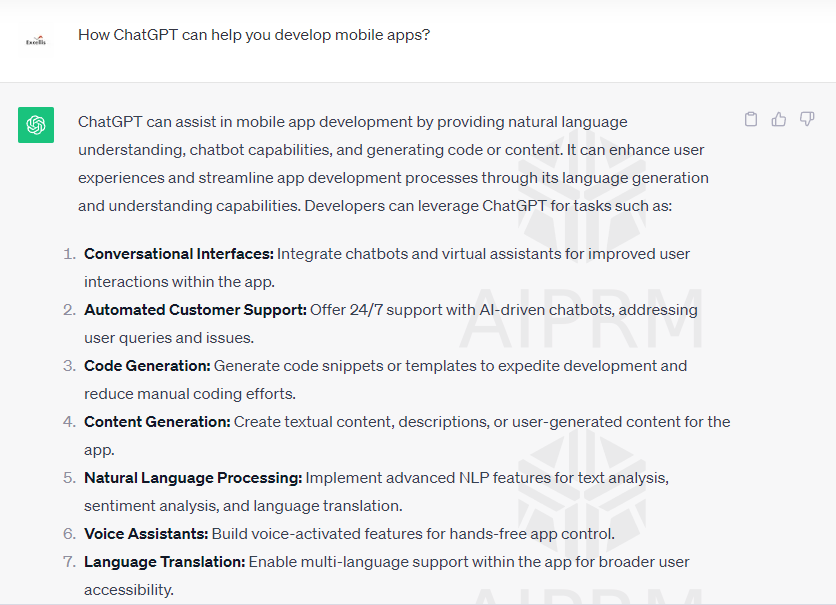
Benefits of ChatGPT in Mobile App Development

With all the above-mentioned aspects, app development with ChatGPT becomes even easier. Now, check out what benefits ChatGPT poses on mobile app development.

Benfit-of-ChatGPT

📌 Breaking Down Language Barriers

One of the key reasons for ChatGPT’s popularity is its exceptional natural language processing (NLP) capabilities. Developers can now create applications that understand and respond to human language with unprecedented accuracy and nuance. This has opened up a world of opportunities for creating multilingual and globally accessible apps.

Moreover, ChatGPT’s ability to handle colloquial language and slang makes it particularly appealing for applications aimed at younger audiences. It enables a more natural and engaging interaction between the user and the app, enhancing the overall user experience.

📌 Enhanced User Engagement

With ChatGPT for mobile app development, apps can now hold dynamic and interactive conversations with users. This level of engagement goes far beyond traditional static interfaces, creating a more immersive and personalized user experience. As a result, users are more likely to spend extended periods within the app, leading to higher retention rates.

Additionally, ChatGPT’s capacity to remember past interactions allows for more personalized responses. It can recall previous conversations and adapt its replies based on the user’s history, fostering a sense of familiarity and rapport.

📌 Tailored Solutions for Every Industry

ChatGPT’s flexibility allows it to be adapted to a wide range of industries and use cases. Whether it’s healthcare, finance, e-commerce, or education, developers can customize ChatGPT to meet the specific needs of their target audience. This versatility has made it an invaluable tool for businesses across diverse sectors.

For instance, in the healthcare sector, ChatGPT can assist in patient consultations by providing accurate information and answering queries in real-time. In the e-commerce industry, it can enhance customer service by offering personalized product recommendations and assisting with purchase decisions.

📌 Seamless Integration

Developers appreciate the ease with which ChatGPT for mobile app development can be integrated into existing applications. Its compatibility with popular programming languages and frameworks ensures a smooth and efficient development process. This seamless integration minimizes the time and resources required to implement ChatGPT, making it an attractive option for developers.

Furthermore, ChatGPT’s APIs (Application Programming Interfaces) are well-documented and user-friendly, allowing developers to quickly grasp how to leverage its capabilities within their applications. This accessibility streamlines the integration process even further.

📌 Accelerated Development Process

ChatGPT comes with pre-trained models that understand a wide array of topics and contexts. This accelerates the app development process, as developers can leverage these models to jumpstart their projects. It significantly reduces the time and effort required to build a robust and functional app.

Moreover, the pre-trained models serve as a strong foundation for fine-tuning, enabling developers to tailor ChatGPT to their specific requirements. This adaptability ensures that the app’s interactions align seamlessly with its intended purpose.

📌 Continuous Learning and Improvement

ChatGPT’s ability to learn from new data ensures that it stays up-to-date with the latest trends and information. This means that apps developed with ChatGPT have the potential to evolve and adapt over time, providing a sustainable solution for businesses in a rapidly changing technological landscape.

This adaptability is particularly crucial in dynamic industries where staying current with the latest information is paramount. For example, in the finance sector, ChatGPT can provide real-time updates on market trends and investment strategies.

📌 Thriving Developer Community

The ChatGPT community is a vibrant hub of developers, enthusiasts, and experts. This ecosystem fosters collaboration, knowledge-sharing, and innovation. Developers can tap into this collective expertise to troubleshoot challenges, discover new use cases, and stay updated with the latest developments in the field.

Additionally, online forums and communities dedicated to ChatGPT for mobile app development provide a platform for developers to seek advice, share best practices, and showcase their projects. This collaborative environment encourages growth and innovation within the community.

📌 Robust Support and Documentation

OpenAI provides comprehensive documentation and support resources for developers using ChatGPT. This ensures that developers have access to the information they need to maximize the potential of this powerful tool. The availability of reliable support is a crucial factor contributing to ChatGPT’s popularity.

The well-maintained documentation includes tutorials, code samples, and troubleshooting guides, making it easy for developers to get started and overcome any challenges they may encounter. Additionally, OpenAI’s responsive support team is readily available to address any specific queries or concerns.

Conclusion

ChatGPT’s surge in popularity for app development can be attributed to its multifaceted capabilities. Its ability to elevate customer engagement, empower a lead generation, trim customer service costs, extract valuable insights from data, implement conversational marketing, fulfill customer expectations, and streamline the customer journey makes it an invaluable tool for developers and businesses alike. As the technology continues to evolve, ChatGPT for mobile app development is poised to become an even more integral part of the app development landscape.

Crafting a Dynamic Digital Marketing Strategy for Travel Agencies in 2023

Imagine the internet is like a busy market, with people excitedly planning their next epic getaway.Travel agencies are like friendly guides, who jostle for attention, each vying to capture the imaginations of potential clients in this vibrant landscape. 

There’s this one agency, they’re all about unique adventures. They used digital marketing for travel agency to attract more explorers and make lifelong friends. 

Today, we’re spilling their secrets – 10 tricks to amp up your travel game, specially tailored for peeps like us. So, ready for a journey in marketing magic? 

Let’s roll!

What Is a Holistic Digital Marketing Strategy?

A holistic digital marketing strategy for tourism businesses involves a comprehensive approach that integrates various online channels and techniques to create a seamless customer experience. It encompasses website optimization, content creation, social media engagement, email marketing, SEO, and paid advertising.

How Beneficial a Dynamic Digital Marketing Strategy Is For Tourism Businesses?

A digital marketing agency in Kolkata provides strategies like content marketing, social media marketing, SEO, email marketing and paid marketing. By aligning these elements, businesses can attract, engage, and convert potential travelers. This approach not only boosts brand visibility but also establishes trust and credibility. It allows for targeted messaging, personalized offers, and valuable content, enhancing customer satisfaction. Moreover, a holistic strategy enables businesses to adapt to market trends swiftly, ensuring long-term growth and success in the competitive tourism industry.

10 Strategies to Market Travel Agencies Digitally

Check out these robust digital marketing ideas for travel agencies:

  • Tailor Your Website, Content, and Services

To distinguish your agency amidst the competitive travel landscape, personalization is paramount. Establish a distinctive brand identity by offering specialized or niche services, interactive user experiences, and tailored recommendations based on specific preferences. Customize your website layout, content, and offerings to deliver a personalized experience that strikes a chord with your intended audience.

  • Prioritize Exceptional Content Quality

Compelling content constitutes the bedrock of a thriving travel agency website. Generate informative, captivating, and aesthetically pleasing content that enraptures your readership and drives traffic to your site. Integrate storytelling, share personal travel anecdotes, dispense destination guides, and dispense insider insights. Invest in professional copywriting or leverage generative AI writing tools to ensure a steady flow of top-tier content that elevates site visits and encourages customer interaction.

  • Harness the Influence of User Testimonials and Reviews

Online reviews and testimonials wield formidable influence in cultivating trust and enhancing your agency’s reputation. A digital marketing agency in Kolkata encourages contented customers to furnish feedback on platforms such as Google My Business, TripAdvisor, Yelp, and industry-specific review portals. Respond promptly to both favorable and unfavorable reviews, showcasing your dedication to customer contentment and actively addressing concerns.

  • Optimize Your Website for an Enhanced User Experience

A visually captivating, user-friendly website serves as a linchpin for transforming visitors into clientele and is vital for securing favorable SEO rankings. Ensure your website is responsive, tailored for mobile devices, and offers seamless navigation. Leverage intuitive booking interfaces, high-quality visuals, and captivating headlines to engage visitors and stimulate conversions. Integrate customer reviews and testimonials into your website to exhibit social proof and cultivate trust.

  • Amplify Your Social Media Footprint

Concentrate your efforts on platforms frequented by your target demographic, be it Facebook, Instagram, TikTok, Twitter, LinkedIn, or a blend of these. Stay attuned to emerging platforms like BeReal, Telegram, and Clubhouse. Leverage social media to forge connections with a wider audience, disseminate engaging content, publicize special promotions, and engage with clients in real-time. Collaborations with influencers can also extend the reach and credibility of your agency.

  • Infuse a Personal Touch with Email Marketing

Nurturing leads and maintaining client relationships thrives on effective email marketing. Keep your audience informed and engaged by sharing updates. For example, notify them about special discounts, allowing them to plan budget-friendly getaways. Consider offering exclusive deals to grow your subscriber base. Additionally, provide travel tips and highlight new offerings in your marketing plan. Whether through a monthly or quarterly newsletter, give your audience a peek behind the scenes of your travel agency.

  • Spotlight on Mobile Marketing Strategies

Given the escalating prevalence of mobile usage, optimizing your marketing endeavors for mobile devices is imperative. A professional digital marketing agency in Kolkata prioritizes marketing strategies that aligns with the idea of mobile optimization. Develop a mobile-responsive website or design a dedicated mobile application for your travel agency. Mobile apps offer tailored experiences, loyalty programs, and push notifications, heightening customer engagement and convenience. Prioritize mobile advertising, mobile-friendly email campaigns, and mobile-centric promotions to connect with and engage your mobile-savvy audience.

  • Leverage the Potency of Visual Content

Visual content assumes a pivotal role in captivating and inspiring prospective travelers. Employ high-quality imagery, videos, and immersive virtual tours to showcase destinations, accommodations, and experiences. Encourage travelers to share their photos and videos, integrating user-generated content to bolster your agency’s authenticity and social proof.

  • Establish Objectives, Monitor Metrics, and Adapt

When you are focusing on performance marketing, define quantifiable objectives for your marketing strategy and consistently monitor key performance indicators (KPIs) to gauge progress. Scrutinize website analytics, social media interaction, conversion rates, and customer feedback to glean insights into what resonates with your audience. Employ data-driven decision-making to fine-tune your marketing tactics, with a focus on effective channels, content formats, and customer preferences.

  • Expand Your Horizons at Industry Events

While digital marketing dominates, the travel industry thrives in the physical realm too. Attending industry events fosters valuable connections with peers. It is a chance to gain insights into your competition’s strategies, allowing you to fine-tune your own marketing. For instance, if rivals are boosting ad budgets, assess if you can do the same. Moreover, networking brings travel agents face-to-face with potential clients. Even if these leads are undecided, personal interaction and exchanging business cards may be the nudge they require.

Top 10 Tools and Platforms to Market Tourism Businesses Digitally

Here are the top 10 tools and platforms to market a travel agency digitally. These tools and platforms offer a comprehensive approach to digitally market a travel agency, from building an appealing website to engaging with potential clients on social media and utilizing various marketing strategies.

Website and Content Management Systems (CMS):

WordPress, Wix, or Squarespace for creating a user-friendly website with engaging content.

Social Media Platforms:

Facebook, Instagram, Twitter, and Pinterest for sharing travel inspiration, promotions, and engaging with potential clients.

Email Marketing Software:

A professional digital marketing agency in Kolkata uses Mailchimp, Constant Contact, or ConvertKit for sending personalized newsletters, updates, and special offers.

Search Engine Optimization (SEO) Tools:

Google Analytics, Moz, or SEMrush to optimize website content and improve search engine rankings.

Google Ads and Pay-Per-Click (PPC) Advertising:

Google Ads for targeting specific keywords and reaching potential travelers actively searching for trips.

Content Creation Tools:

Canva, Adobe Spark, or Piktochart for designing eye-catching visuals, infographics, and social media posts.

Travel Affiliate Programs:

Joining affiliate programs like Expedia Affiliate Network or Booking.com Affiliate Partner Program to earn commissions on bookings.

Customer Relationship Management (CRM) Software:

HubSpot, Salesforce, or Zoho CRM for managing client relationships, automating follow-ups, and tracking leads.

Influencer and Blogger Collaborations:

Partnering with travel influencers and bloggers on platforms like Instagram and YouTube for authentic recommendations.

TripAdvisor and Online Review Management:

Encouraging satisfied customers to leave reviews on platforms like TripAdvisor, Yelp, and Google to build trust and credibility.

Conclusion

In the face of rapid shifts in online marketing, travel agencies must remain adaptable and attuned to emerging trends. Seeking the expertise of a professional digital marketing agency in Kolkata to help them adhere to a robust and wholesome digital marketing strategy. Staying attuned to emerging trends and swiftly embracing innovative approaches is essential. By maintaining agility and a spirit of experimentation, coupled with the ongoing refinement of strategies, travel agencies can effectively captivate, engage, and convert customers in the fiercely competitive travel industry. This dynamic approach ensures not only survival but success in an ever-changing digital landscape.

Crafting a Comprehensive Full-Funnel Strategy for Beauty Branding Campaigns

Imagine stepping into a world where every interaction with a beauty brand feels seamless, personalized, and captivating. A world where from the very first glance to the final purchase, every touchpoint is designed to delight and inspire. This is the magic of a well-crafted full-funnel marketing strategy in the realm of beauty branding.

In today’s fiercely competitive beauty industry, where trends evolve in the blink of an eye and customer expectations are higher than ever, relying solely on traditional advertising and influencers may not suffice. Thriving in this dynamic landscape calls for a holistic approach that guides potential customers through every stage of the marketing funnel. This means not only capturing their attention but also nurturing their interest, converting them into paying customers, and ultimately, turning them into loyal brand advocates.

What is full-funnel marketing?

Full-funnel marketing is a comprehensive approach that encompasses all stages of the marketing funnel, recognizing that customer journeys are dynamic and multifaceted. The marketing funnel outlines the path a customer typically takes from initial awareness to making a purchase. However, full-funnel marketing goes beyond this linear progression, acknowledging that customers may enter the funnel at different points or even skip stages altogether.

At the top of the funnel, the focus is on building brand awareness. This involves strategies like social media engagement, native advertising, and impactful video content to establish the brand’s authority in its niche. Moving down the funnel, middle-of-the-funnel marketing nurtures the interest of potential customers who have already shown some level of engagement. This includes influencer collaborations, content marketing, and personalized communication to guide them towards a decision.

Finally, at the bottom of the funnel, the emphasis shifts to conversion and beyond. Tactics such as addressing abandoned shopping carts, offering discounts, and implementing loyalty programs are employed to ensure a seamless purchasing process and cultivate brand advocates.

Get a full-funnel marketing strategy from experts. Hire a leading digital marketing company in Kolkata.

The Significance of Full-Funnel Marketing in Understanding the Dynamic Customer Journey

The marketing funnel, though a valuable framework, often oversimplifies the intricate nature of customer journeys. Full-funnel marketing acknowledges this complexity and addresses potential customers at every stage, recognizing that their needs and preferences evolve along the way.

Eliminating Linear Constraints

Traditional marketing funnels follow a linear progression from awareness to purchase. However, in reality, customers can enter at any stage and may not follow a straight path. Full-funnel marketing accommodates these variations, ensuring engagement regardless of entry point.

Catering to Diverse Shopper Needs

Different stages of the funnel cater to distinct shopper requirements. The top focuses on awareness-building, the middle nurtures interest, and the bottom centers on conversion. Full-funnel strategies allow brands to cater to all these needs simultaneously.

Holistic Brand Building- Top-of-the-Funnel (TOFU) Mastery

Brand Awareness Strategies: Social media engagement, native advertising, and compelling video content establish brand authority and recognition.

Reaching Wider Audiences: TOFU tactics like TV commercials create broad awareness among audiences who may not have an immediate need for the product.

Nurturing Interest and Consideration- Middle-of-the-Funnel (MOFU) Magic

Guiding Potential Customers: Influencer collaborations, content marketing, and personalized communication help potential customers move from interest to consideration.

Building Trust and Authority: Informative content like blog posts and educational videos provides valuable insights, enhancing brand credibility and trust.

Seamless Conversion and Beyond- Bottom-of-the-Funnel (BOFU) Mastery

Ensuring a Smooth Conversion Process: Addressing abandoned shopping carts, offering discounts, and implementing loyalty programs facilitate seamless purchases.

Cultivating Brand Advocates: Loyalty programs and member clubs reward customer loyalty, encouraging repeat purchases and fostering a community of brand advocates.

A Complete Full-Funnel Marketing Strategy for Beauty Branding Campaigns

Now that you understand full-funnel marketing and its significance, check out how to make a marketing strategy for a beauty brand.

Top-of-the-Funnel (TOFU) Magic: Captivating the Curious

As the journey to the top of the funnel commences, the paramount goal is to illuminate your brand and unveil your beauty products to a wider audience. Here are some meticulously curated tactics to set the stage:

Social Media Marvels: A Force to be Reckoned With

In today’s digital landscape, social media reigns supreme, particularly in the realm of beauty products. Astonishingly, a whopping 91% of beauty product shoppers prefer to explore and make their purchases through social platforms. Hence, establishing a robust presence on social media is not just essential; it’s imperative. Engaging posts, adorned with captivating visuals and interlaced with interactive content, work in harmony to cement your brand’s position as an indisputable authority in the beauty domain.

Native Advertising Alchemy: Seamlessly Melding In

Picture your brand seamlessly blending into premium websites, catching the discerning eyes of potential customers as they peruse the web. This is the power of native advertising. These ads harmonize with their surroundings, creating an experience that feels organic rather than intrusive. In the realm of beauty, where aesthetics and visual appeal are paramount, native ads serve as a formidable tool to reach an audience deeply interested in beauty, makeup, skincare, and wellness.

Video Voyages: Painting a Vivid Picture

Videos, the modern-day storytellers, empower beauty brands to showcase their products in action. They transport potential customers into a world where they can vividly envisage what your offerings entail. Whether it’s a tutorial on application techniques or an illumination of unique product features, videos are an invaluable medium for captivating attention and fostering engagement during the TOFU stage.

Values-Driven Ventures: Beyond Mere Transactions

In an era where values and ethics have ascended to paramount importance, aligning your brand with social causes or sustainability initiatives holds immense resonance with your target audience. By showcasing your unwavering commitment to these ideals, your brand not only draws in conscious consumers but also distinguishes itself in a crowded market. This connection transcends transactional exchanges, forging a deeper bond built on shared values.

Not an expert? Get complete guidance on the marketing funnel from a top digital marketing company in Kolkata.

Middle-of-the-Funnel (MOFU) Magic: Nurturing Interest

As potential customers find themselves in the heart of the funnel, they’ve already expressed keen interest in your brand. Now, it’s time to furnish them with the resources and experiences they need to make a well-informed decision:

Influencer Insights: Guiding the Way

Collaborating with influencers can be a transformative game-changer at this juncture. Whether they’re providing in-depth product reviews, sharing insightful tutorials, or seamlessly integrating your products into their daily routines, influencers hold a tremendous sway over purchase decisions. Their authentic advocacy serves as a powerful catalyst for building trust and credibility.

Content Marketing Chronicles: A Well of Information

In the MOFU stage, engaging and informative content steps into the limelight. This can take the form of illuminating blog posts, comprehensive how-to guides, and educational videos. Such content doesn’t just offer insights into your products; it also weaves a narrative of trust and authority within the beauty industry.

Personalization Prowess: A Tailored Approach

Recognizing and responding to customer behavior and preferences with tailored communications and exclusive offers is a masterstroke in nurturing leads. Personalized emails, astute product recommendations, and enticing exclusive offers make customers feel valued, understood, and more inclined to forge a lasting connection with your brand.

Bottom-of-the-Funnel (BOFU) Mastery: Converting and Beyond

Now, the journey has reached its zenith. Potential customers stand on the precipice, ready to make a purchase. It’s the opportune moment to orchestrate a seamless conversion process:

Abandonment Alleviation: Resurrecting Opportunities

Imagine a potential customer, their digital shopping cart brimming with carefully selected items, only to leave it behind like an abandoned cart in a bustling mall. This scenario, known as cart abandonment, is a common challenge. However, it also presents an invaluable opportunity. By sending personalized emails, replete with enticing time-limited offers or exclusive discounts, brands can rekindle the potential buyer’s interest and encourage them to complete the purchase.

Discounts and Delights: Paving the Way for Conversion

At this critical stage, offering targeted discounts, free shipping, or exclusive offers can be the final nudge that propels a potential customer into the realm of conversion. This strategic move not only bolsters the likelihood of an immediate sale but also lays the foundation for future brand loyalty. The customer not only relishes the satisfaction of securing a deal but also feels a genuine connection with the brand.

Loyalty and Longevity: Cultivating Advocates

Once a conversion occurs, it marks not the end, but the inception of a potentially long and fruitful relationship. Implementing loyalty programs or establishing member clubs stands as a testament to the brand’s appreciation for its customers. By offering rewards for continued patronage, brands incentivize repeat purchases. These programs do more than boost sales; they cultivate a dedicated community of brand advocates. This community, driven by shared values and a genuine affinity for the brand, becomes a formidable force in promoting the brand’s products and values.

Get your marketing strategy on point with the top digital marketing agency in Kolkata.

Conclusion

A full-funnel strategy in beauty branding is about weaving a seamless narrative that guides potential customers from initial awareness to final conversion and beyond. By understanding and catering to the unique needs of each stage in the customer journey, beauty brands can create experiences that captivate, convert, and cultivate long-lasting relationships. In a world where customers are spoilt for choice, a comprehensive full-funnel strategy is a beacon that leads them to choose your brand, time and time again.


The Ultimate Guide to Content Marketing for 2023

5.18 billion active internet users are appearing online worldwide, creating tons of chances to engage and aware your audience for exponential business growth. 

One of the most impactful methods for this is content marketing. 

However, it’s not just about churning out blog posts or social media updates anymore!

It’s about creating valuable, relevant, and engaging content that resonates with your target audience. In essence, content marketing delivers the right message to the right people at the right time.

In this ultimate guide, we will explore everything about content marketing in today’s competitive market. 

Understanding Content Marketing

In the ever-evolving landscape of digital marketing, content marketing continues to reign as one of the most powerful tools for businesses to connect with their audience, build brand authority, and drive growth. As we enter the year 2023, the world of content marketing is poised for new innovations and strategies. 

Content marketing can be defined as a strategic marketing approach focused on creating and distributing valuable, relevant, and consistent content to attract and retain a clearly defined audience. The primary goal is to drive profitable customer action, such as brand loyalty, lead generation, or sales, by providing information and solutions that meet the audience’s needs.

Types of Content Marketing

Content marketing takes on various forms and channels to reach a diverse audience. Here are some of the most prominent types:

Web Content Marketing

Your website is your digital storefront, and web content marketing involves optimizing your website’s content to attract and engage visitors. This includes blog posts, landing pages, product descriptions, and more.

Social Media Content Marketing

Social media platforms are a goldmine for content marketers. Crafting engaging posts, stories, and videos that resonate with your audience can significantly boost brand visibility and engagement.

Blogging

Blogging remains a cornerstone of content marketing. Regularly publishing informative, entertaining, and valuable blog posts can establish your brand as an industry authority and drive organic traffic.

Video Content Marketing

The rise of video content and its effectiveness will continue in 2023. It has become one of the favorite content types of any leading digital marketing company in Kolkata. Creating captivating video content for platforms like YouTube, TikTok, and Instagram can help you connect with a broader audience.

Podcast Content Marketing

Podcasts have gained immense popularity, and they provide an opportunity to share in-depth knowledge and insights with your audience. Consider launching your podcast series.

Paid Ad Content Marketing

While organic content is vital, paid advertising is also a significant part of content marketing. Platforms like Google Ads and social media ads can help you reach your target audience faster.

The Roadmap to Effective Content Marketing: A Step-by-Step Guide

The success of your content marketing efforts depends on a well-thought-out strategy. Here’s how to create one:

Find Your Target Audience

Before you start creating any content, you must know whom you are writing for.

Understanding your audience is the cornerstone of effective content marketing. Your audience comprises individuals with unique demographics, interests, pain points, and preferences. Here’s how to do it:

Demographics: 

Begin by defining the basic characteristics of your audience. This includes age, gender, location, income level, and occupation. Collecting demographic data will help you paint a clear picture of who your potential consumers are.

Interests: 

Dive deeper to uncover what interests your audience. What are their hobbies, passions, and hobbies? Understanding these aspects enables you to create content that resonates with their interests.

Pain Points: 

Identifying the pain points of your audience is crucial. What challenges do they face, and what problems are they trying to solve? Your content can offer solutions to these pain points, making it more valuable to your audience.

Preferences:

Determine how your audience prefers to consume content. Some may prefer reading blog posts, while others might lean towards videos or podcasts. Catering to these preferences ensures your content reaches them effectively.

Gathering and analyzing this data provides you with invaluable insights that will shape your content and help you connect with your audience on a deeper and more meaningful level.

Set Defined Business Goals

Once you have a clear understanding of your audience, it’s time to align your content marketing efforts with your business objectives. 

And here’s where you need to play SMART!

Setting specific, measurable, achievable, relevant, and time-bound (SMART) goals is crucial. Your goals should be in sync with your business priorities and could include:

Increased Brand Awareness:

If you’re looking to boost your brand’s visibility, your content should focus on reaching a wider audience and establishing your brand’s presence in the industry.

Lead Generation:

For businesses aiming to generate leads, content can be designed to capture user information, such as email addresses or contact details, in exchange for valuable resources like ebooks, webinars, or free trials.

Sales:

Content geared towards driving sales should emphasize product or service benefits, feature customer testimonials, and include compelling calls to action (CTAs).

Having well-defined goals will give your content marketing strategy a clear sense of direction and purpose. This is a key step to successful content marketing for individuals or any trustworthy digital marketing company in Kolkata.

Decide Content Types and Formats

With your audience and goals in mind, it’s time to determine the types of content that will resonate best. Content comes in various forms, and your choice should align with your objectives. Here are some common content types:

Blog Posts:

These are versatile and can cater to a wide range of topics and interests. Blogging is excellent for sharing informative and engaging content.

Videos:

Video content is highly engaging and can be used for storytelling, product demonstrations, tutorials, and more. Platforms like YouTube and TikTok are ideal for video content.

Infographics:

Infographics present information in a visually appealing and easily digestible format. They work well for explaining complex concepts or presenting statistics.

Podcasts:

Podcasts are an excellent choice for sharing in-depth knowledge and engaging with your audience on a personal level. They’re perfect for auditory learners.

Ebooks and Whitepapers:

These are valuable resources that can be used for lead generation. Offer them in exchange for user information to build your email list.

Social Media Posts:

Short and visually appealing, social media posts are ideal for sharing quick updates, and stories, and engaging with your audience regularly.

The choice of content types should align with both your audience’s preferences and your business goals. Mixing and matching content formats can also keep your strategy fresh and engaging.

Choose the Right Content Channels

Now that you know your audience, goals, and content formats, it’s time to select the channels where you’ll distribute your content. 

Different channels cater to different demographics and user behaviors. However, primarily targeting the channel your audience engages the most is equally essential to distributing content to every channel.

Website/Blog: 

Your website serves as your digital hub, where you can publish blog posts, articles, and other long-form content. It’s a space where you have full control over your content.

Social Media: 

Platforms like Facebook, Twitter, Instagram, LinkedIn, and Pinterest offer various ways to engage with your audience. Choose the ones most frequented by your target demographic.

YouTube:

Ideal for video content, YouTube is the second-largest search engine globally, making it a powerful platform for reaching a vast audience.

Email Marketing:

An effective channel for nurturing leads and keeping your audience informed about your latest content, products, or offers.

Podcast Platforms:

If you’re creating podcasts, platforms like Apple Podcasts, Spotify, and Google Podcasts are essential for distribution.

Content Aggregators:

Sites like Medium and LinkedIn Articles can help you reach a broader audience and gain exposure within their respective communities.

Select the channels that align with your audience’s online behavior and preferences. Each channel may require different strategies and content adaptations.

Set a Content Marketing Budget

Creating and distributing content requires resources, and it’s essential to allocate a budget to your content marketing efforts. Whether an individual or a renowned digital marketing company in Kolkata, skipping this aspect can lead to bodged content marketing. 

Your budget should cover various aspects, including:

Content Creation: 

Invest in quality content creation, whether it’s hiring writers, designers, videographers, or other professionals.

Content Promotion:

Promoting your content through paid advertising, social media boosts, or other promotional methods can help increase its reach.

Measurement Tools:

Invest in analytics and tracking tools to monitor the performance of your content and make data-driven decisions.

Your budget should be realistic and flexible, allowing you to adjust your spending based on the performance of your content and the results it yields.

Content Publishing Schedule

Consistency is a key driver of success in content marketing. Creating a content calendar can help you stay organized and ensure you’re consistently delivering content to your audience. Your calendar should include:

Publishing Dates: 

Specify when each piece of content will be published.

Content Titles and Topics:

Outline the topics and titles of your content pieces.

Content Formats:

Indicate whether it’s a blog post, video, podcast, or another format.

Promotion Plans: 

Plan how and when you’ll promote each piece, including social media posts, email newsletters, and more.

A content calendar keeps your team on track and ensures you maintain a steady flow of content to engage your audience.

Create Valuable Content

Regardless of the type or format of your content, one thing remains constant: it must provide real value to your audience. Valuable content solves problems, answers questions, entertains, educates, or inspires. Keep these principles in mind:

Relevance: 

Ensure your content is relevant to your audience’s interests and needs.

Quality: 

Always prioritize quality over quantity. Well-researched, error-free, and professionally designed content reflects positively on your brand.

Originality: 

Aim for uniqueness. Avoid duplicate or plagiarized content, as it can harm your SEO and reputation.

Engagement: 

Encourage interaction with your audience through comments, shares, likes, and other forms of engagement.

Your content should aim to build trust and credibility with your audience while positioning your brand as a valuable resource.

Determine Your Key Performance Indicators (KPIs)

To gauge the effectiveness of your content marketing efforts, you need to define Key Performance Indicators (KPIs) that align with your goals. 

Whether an individual expert or a trusted digital marketing company in Kolkata, determining KPIs makes it easy to measure the results of your content marketing efforts.

Some common KPIs include:

Website Traffic: 

Monitor the number of visitors to your website and track changes over time.

Conversion Rates:

Measure the percentage of visitors who take a desired action, such as signing up for a newsletter or making a purchase.

Social Media Engagement:

Track likes, shares, comments, and other interactions on your social media posts.

Email Metrics:

Analyze email open rates, click-through rates, and conversion rates for email marketing campaigns.

Lead Generation:

Count the number of leads generated through content downloads or contact forms.

Sales: 

Monitor the revenue generated directly from your content marketing efforts.

Choosing the right KPIs allows you to assess the impact of your content and make adjustments as needed to improve performance.

Analyze and Measure Results

The final step in creating a successful content marketing strategy is to regularly analyze and measure the results of your efforts. Effective measurement involves:

Monitoring Performance: 

Continuously track the performance of your content by reviewing your chosen KPIs.

A/B Testing: 

Experiment with different content strategies and variations to identify what works best for your audience.

Audience Feedback: 

Listen to feedback from your audience, whether it’s through comments, surveys, or direct messages.

Competitor Analysis: 

Keep an eye on your competitors’ content marketing efforts and adapt your strategy accordingly.

Iterative Improvement: 

Based on your analysis, make data-driven decisions to improve your content and overall strategy.

Want experts to finetune your content marketing efforts? The best digital marketing agency in Kolkata is here for you!

How Does Content Marketing Work?

Content marketing operates at different stages of the customer journey, which can be divided into three main phases:

Top of the Funnel (TOFU)

At the top of the funnel, your goal is to attract a broad audience and raise awareness. Content should be informative and educational, addressing common pain points and introducing your brand as a solution.

Useful content types:

  • Blogs
  • Short-form videos
  • Social media posts
  • Podcasts
  • infographics

Middle of the Funnel (MOFU)

In the middle of the funnel, you focus on nurturing leads and guiding them towards making a decision. Content here should be more targeted and specific, offering in-depth information and solutions.

Useful content types:

  • Landing pages
  • Email newsletters
  • Case studies
  • Blogs
  • Long-form videos

Bottom of the Funnel (BOFU)

The bottom of the funnel is where you aim to convert leads into customers. Content should be highly persuasive, highlighting the benefits of your products or services and providing incentives to take action. At this stage, personalization, powerful CTAs, a sense of urgency, etc., can add to the impact.

Useful content types:

  • Personalized emails
  • Case studies
  • User-generated content like testimonials
  • Remarketing campaigns

Importance of Content Marketing

In 2023, content marketing remains a critical component of any successful marketing strategy. Here are some key reasons why:

Builds Brand Authority:

Consistently delivering valuable content establishes your brand as an industry authority and builds trust with your audience.

Increases Organic Traffic: 

High-quality content improves your website’s search engine ranking, driving more organic traffic.

Generates Leads:

Informative and engaging content attracts potential customers and generates leads for your business.

Nurtures Leads:

Content helps nurture leads through the sales funnel, guiding them towards conversion.

Boosts Customer Engagement: 

Engaging content encourages interactions with your audience, including likes, shares, comments, and more.

Improves Customer Retention: 

Content can help you keep existing customers engaged and informed, reducing churn rates.

Measurable Results: 

With the right tools, you can track and measure the impact of your content marketing efforts, making it easier to refine your strategy over time.

Get expert content marketing guide from a leading digital marketing company in Kolkata.

Content Marketing Tricks to Skyrocket Results

To excel in content marketing in 2023, consider these effective strategies:

Identify Audience Challenges and Drives

Recognize the issues and incentives that drive your target audience. Understanding their pain points and aspirations empowers you to create content that addresses their needs effectively.

Leverage Diverse Channels for Content Promotion

Maximize your content’s reach by utilizing a variety of platforms. Employ multiple channels, including social media, email marketing, and SEO, to ensure your content resonates with a broader audience.

Incentivize Audience Engagement

Encourage your audience to interact with your content by offering compelling reasons. Provide valuable insights, interactive elements, or exclusive access to create a more engaging experience.

Maintain Continuity with Your Top-Performing Content

Stay steadfast in delivering your most successful content. Consistently replicate the qualities and messaging that have proven effective, ensuring a sustained impact.

Target Specific Keywords in Your Content

Strategically incorporate precise keywords into your content to enhance its search engine visibility. This approach helps you reach a specific audience interested in your offerings.

Craft Content Aligned with Your Brand Identity

Develop content that mirrors your brand’s values, tone, and messaging. This consistency in brand representation fosters trust and recognition among your audience.

Repurpose Your Content

Leverage your existing content by repurposing it into different formats. Turn blog posts into videos, infographics, or podcasts to reach a broader audience.

Don’t Drown in the Ocean of Content

As we step into 2023, the world of content marketing is as vibrant and dynamic as ever. By understanding the fundamentals, types, and strategies outlined in this ultimate guide, you can navigate the content marketing landscape with confidence and creativity. 

Remember that content marketing is not just about creating content; it’s about creating valuable and meaningful connections with your audience. 

So, stay focused, stay authentic, and let your content tell your brand’s story in a way that resonates with your audience and drives your business forward in 2023 and beyond.

10 Essential Landing Page Optimization Tricks to Elevate Your Conversion Game

Welcome to the realm of digital success where every click holds the potential for transformation. In this fast-paced digital landscape, your landing pages are the gateways to conversions. Crafting compelling landing pages isn’t just an art; it’s a science. This guide illuminates 10 pivotal strategies to optimize your landing pages. From aligning PPC ad messages to creating captivating CTAs, we delve into mobile optimization, lightning-fast loading speeds, and impeccable page architecture. 

Elevate your digital presence, captivate your audience, and drive conversions like never before. Your journey to mastering the art of landing page optimization begins here.

What is a Landing Page?

A landing page is a purpose-built, standalone web page designed as a PPC marketing strategy, with goals in mind: to convert visitors into leads, customers, or subscribers. It’s a focused digital destination carefully curated to align with specific marketing campaigns, often linked from ads, emails, or social media. 

Unlike typical website pages, landing pages eliminate distractions by providing only essential information related to the campaign’s objective. They house compelling content, persuasive visuals, and a clear Call-To-Action (CTA) that prompts users to take a specific action—whether it’s signing up for a newsletter, making a purchase, or downloading an eBook. A well-structured landing page creates a seamless journey, capturing user attention, and driving them towards conversion.

10 Essential Tactics for Landing Page Optimization

In the digital landscape where user attention spans are fleeting and competition is fierce, mastering the art of landing page optimization is paramount for ensuring a seamless user experience, increasing conversions, and maximizing return on investment. A digital marketing company in Kolkata can help in effective LPO.

Here are 10 crucial strategies to refine your landing pages into conversion powerhouses:

  • Align PPC Ad Message with Landing Page Content

The foundation of an effective landing page begins with consistency between the message conveyed in your Pay-Per-Click (PPC) ad and the content of your landing page. Users click on your ad because they are intrigued by the promise it holds. When they land on your page, they should find exactly what they expect – a continuation of the story your ad began. This seamless transition from paid search advertising to a landing page assures visitors that they are in the right place, fostering trust and engagement.

  • Optimise Your Website for Mobile

With the majority of internet users accessing content on mobile devices, the mobile-friendliness of your landing page is non-negotiable. A responsive design that adapts to various screen sizes ensures that users can easily navigate and interact with your page on any device. Unreadable text and awkward formatting can drive potential customers away, making mobile optimization a cornerstone of successful landing page design.

  • It’s All About CTAs, Play Creative With Them

The Call-To-Action (CTA) is the heartbeat of your landing page. It guides users toward the desired action, be it signing up, purchasing, or downloading. Crafting compelling and clear CTAs is essential. However, don’t hesitate to infuse creativity into your CTAs. Engaging language, vibrant buttons, and even interactive elements can draw visitors’ attention and encourage them to take the desired action.

  • Visual Pathways with Arrows and Icons

Guiding the audience through the landing page and directing them to the selling point is another landing page optimization trick. Subtle visual cues like arrows and icons can be potent tools for directing attention. Point arrows towards CTAs or important sections, guiding users seamlessly through the page. Icons can serve as visual indicators, highlighting benefits or features. These visual pathways ensure that visitors follow the journey you’ve designed, maximizing the impact of each interaction.

  • Keep the Page Loading Speed Fast

In the digital age, time is of the essence. Slow-loading pages can frustrate users and lead to high bounce rates. Optimizing your landing page for quick loading ensures that visitors aren’t left waiting, fostering a positive user experience and high quality score. Compress images, leverage browser caching, and minimize unnecessary scripts to create a landing page that loads swiftly and keeps users engaged.

  • Do Not Neglect Proper Page Architecture

A well-structured landing page contributes to user satisfaction and navigational ease. Organize content in a logical flow, guiding users from the headline to the CTA. Use headings, subheadings, bullet points, and ample white space to break up the text, making it easily scannable. Incorporate persuasive visuals that complement your message, enhancing the overall aesthetic appeal.

  • Highlighting the Points of Attraction

In the bustling world of online engagement, capturing your audience’s attention requires more than just compelling content. It is about strategically guiding their focus to the most crucial elements. Your landing page should act as a visual compass, leading visitors to the points of attraction that drive conversions. Certain elements that are the USP of the ad, e.g. discounts, offers, limited edition sales, etc. must be highlighted.

  • Compelling Imagery and Graphics

Striking imagery can captivate visitors, enhancing their understanding of your product or service. High-quality visuals, strategically placed, can direct attention to specific sections and work great for your landing page optimization. Whether it’s an attention-grabbing hero image or an illustrative infographic, visual cues serve as beacons, steering users towards the conversion points.

  • Embrace Visual Hierarchy to guide focus

The art of highlighting lies in creating a clear visual hierarchy. Utilize larger fonts, vibrant colors, and bold typography for headlines and key messages. These elements naturally draw the eye, guiding users towards the heart of your message. Positioning crucial information above the fold ensures it’s the first thing users see, increasing the likelihood of capturing their interest.

  • Testimonials and Social Proof

User testimonials, reviews, and social proof add authenticity and credibility to your landing page. Place these elements strategically, drawing attention to the positive experiences of others. Highlight ratings, accolades, and success stories near conversion points. This validation captures user interest and boosts confidence in your offerings.

Looking for the best landing page optimization service to drive effective conversion? Contact us now!

Importance of Landing Pages

Landing pages serve as the gateways to your conversion goals, offering a range of benefits that underscore their significance. If you wonder why you should invest in landing pages, here are the reasons: 

Conversion Focus:

Landing pages are designed with a clear conversion goal in mind, directing visitors towards a specific action, such as signing up, purchasing, or subscribing.

Reduced Distractions:

Unlike general website pages, landing pages eliminate distractions and extraneous information, ensuring visitors stay focused on the intended message and CTA.

Improved User Experience:

Tailored content and messaging create a seamless user experience, addressing visitors’ needs and providing relevant information quickly.

Higher Engagement:

The targeted content resonates with visitors, increasing their engagement and reducing bounce rates, which positively impacts search engine rankings.

Simplified Decision-making:

By presenting concise information and a compelling CTA, landing pages streamline the decision-making process for users, encouraging prompt action.

Effective Measurement:

Landing pages allow precise tracking of campaign success through metrics like conversion rates, providing insights for refining future strategies. Thus, making a checklist for a landing page to optimize it is quite essential. 

PPC

Personalization:

Segment-specific landing pages cater to different audience groups, enhancing personalization and resonating more effectively with diverse demographics.

Enhanced Relevance:

By aligning with the source of traffic, such as ads or emails, landing pages provide a consistent message, increasing the likelihood of conversions.

A/B Testing Opportunities:

Landing pages offer a platform for A/B testing various elements, such as headlines, visuals, and CTAs, to optimize for higher conversions.

Maximized ROI:

With their conversion-oriented nature, landing pages amplify the ROI of marketing campaigns by increasing the likelihood of converting visitors into leads or customers.

Conclusion

Landing page optimization is a dynamic process that demands careful attention to detail. By aligning your PPC ad message with your landing page content, optimizing for mobile, crafting captivating CTAs, ensuring fast loading speeds, and implementing proper page architecture, you create an environment that nurtures conversions. Remember, your landing page is a virtual handshake with your audience – make it count. With these strategies in your toolkit, you’re well-equipped to transform your landing pages into conversion magnets that drive business success. Are you seeking business growth by utilizing PPC marketing? From strategy building to landing page creation, to get expert help, Visit- www.excellisit.com.


Mobile App Development: 50 Frequently Asked Questions

You possibly have several inquiries about the procedure if you’re considering developing a mobile app for your company or organisation.

In the fast-evolving landscape of mobile app development, knowledge is key to success.

This article provides a comprehensive insight into the world of creating applications for smartphones and tablets. Covering a wide array of topics, from platforms and programming languages to design principles, security, and user experience, this resource is a valuable guide for both beginners and experienced developers.

50 Most Searched FAQs on Mobile App Development

Delve into the nuances of native and cross-platform development, and understand the significance of app monetization, accessibility, and testing methodologies.

  • What is mobile app development?

A: Mobile app development is the process of creating software applications that run on mobile devices such as smartphones and tablets.

  • What are the two main platforms for mobile app development?

A: The two main platforms are iOS (Apple) and Android (Google).

  • What programming languages are commonly used for iOS app development?

A: Swift and Objective-C are the main programming languages for iOS app development.

  • What programming languages are commonly used for Android app development?

A: Java and Kotlin are the primary programming languages for Android app development.

  • What is cross-platform development?

A: Cross-platform development involves creating apps that can run on multiple operating systems using frameworks like React Native, Flutter, or Xamarin.

  • What is the purpose of an IDE in mobile app development?

A: An Integrated Development Environment (IDE) is a software suite that provides tools for coding, debugging, and testing mobile applications.

  • What is the App Store?

A: The App Store is Apple’s platform for distributing iOS apps to users. Developers upload their apps to the store for users to download.

  • What is the Google Play Store?

A: The Google Play Store is the platform for distributing Android apps. It allows developers to publish and distribute their apps to Android users.

  • What is the difference between native and hybrid apps?

A: Native apps are developed for a specific platform (iOS or Android) using platform-specific languages, while hybrid apps use web technologies (HTML, CSS, JavaScript) wrapped in a native container.

  • What is the importance of responsive design in mobile app development?

A: Responsive design ensures that your app’s layout and user interface adapt to various screen sizes and orientations, providing a consistent experience across devices.

  • What is API integration in mobile apps?

A: API integration involves incorporating external services or data sources into your app using APIs (Application Programming Interfaces).

  • How does user experience (UX) impact mobile app success?

A: A positive UX leads to higher user satisfaction, engagement, and retention, ultimately contributing to the success of the app.

  • What is the role of backend development in mobile apps?

A: Backend development involves building and maintaining the server-side components of an app, including databases, APIs, and server logic.

  • What is version control, and why is it important?

A: Version control is a system that tracks changes to your codebase over time. It’s crucial for collaboration, tracking changes, and reverting to previous versions.

  • What is the difference between UI and UX design?

A: UI (User Interface) design focuses on the visual aspects of the app, while UX (User Experience) design considers the overall user journey and satisfaction.

  • What is beta testing?

A: Beta testing involves releasing a pre-release version of the app to a limited group of users for testing and feedback before the official launch.

  • How can security be enhanced in mobile app development?

A: Security can be enhanced through practices like secure coding, encryption, secure authentication, and regular security audits.

  • What is app monetization?

A: App monetization is the process of generating revenue from your app, which can include strategies like in-app purchases, ads, subscriptions, and premium versions.

  • What is the role of push notifications in mobile apps?

A: Push notifications are messages sent to a user’s device to provide updates, reminders, or other relevant information even when the app is not actively in use.

  • How can app performance be optimized?

A: App performance can be optimized by using efficient code, minimizing network requests, optimizing images, and performing regular performance testing.

  • What is the agile development methodology?

A: Agile is a flexible development approach that focuses on iterative and incremental development, allowing teams to adapt to changing requirements and deliver software in shorter cycles.

  • What is Test-Driven Development (TDD)?

A: Test-driven development is a development approach where tests are written before the code. It ensures that the code meets the specified requirements and maintains desired functionality.

  • What is the significance of app analytics?

A: App analytics provide insights into user behavior, usage patterns, and performance metrics, helping developers make informed decisions to improve the app.

  • How important is app localization?

A: App localization is crucial for reaching a global audience by adapting the app’s content, language, and cultural elements to cater to different regions.

  • What is the difference between a mobile website and a mobile app?

A: A mobile website is accessed through a web browser, while a mobile app is a standalone application installed on a device and often provides more native functionality.

  • What are the Apple Human Interface Guidelines (HIG)?

A: The Apple HIG provides design guidelines and recommendations for creating user-friendly and consistent iOS apps.

  • What are the Material Design Guidelines for Android?

A: Material Design Guidelines provide design principles for creating visually appealing and interactive Android apps.

  • What is the role of user feedback in app development?

A: User feedback helps identify areas for improvement, feature requests, and potential bugs, guiding the ongoing development of the app.

  • How does mobile app accessibility benefit users?

A: Mobile app accessibility ensures that people with disabilities can use and interact with the app, expanding its user base and providing inclusivity.

  • What is the app submission process for the App Store?

A: The app submission process involves creating a developer account, preparing the app for submission, providing metadata, and passing the review process.

  • What is the significance of offline capabilities in mobile apps?

A: Offline capabilities allow users to access certain features or content of the app even when they are not connected to the internet.

  • What are the best practices for app icon design?

A: App icons should be simple, recognizable, and convey the essence of the app’s purpose. They should also adhere to platform-specific design guidelines.

  • What is Firebase, and how is it used in mobile app development?

A: Firebase is a platform by Google that provides a set of tools for building and managing mobile and web apps, including authentication, databases, analytics, and more.

  • What is OAuth for mobile app authentication?

A: OAuth is a security protocol that allows apps to gain limited access to a user’s account on another service, such as signing in using Google or Facebook credentials.

  • How do you handle app compatibility across different device models and OS versions?

A: Comprehensive testing on various devices and OS versions, along with using responsive design and accommodating device-specific features, helps ensure compatibility.

  • What is the importance of onboarding screens in mobile apps?

A: Onboarding screens provide new users with an introduction to the app’s features and functionality, helping them get started effectively. 

  • How can I protect my app idea during development?

A: While it’s challenging to completely protect an idea, you can consider signing non-disclosure agreements (NDAs) with developers and collaborators to establish confidentiality.

  • What is the purpose of a wireframe in app development?

A: A wireframe is a visual representation that outlines the layout and structure of app screens, helping designers and developers plan the user interface.

  • What is A/B testing in mobile app development?

A: A/B testing involves creating two or more versions of a feature or design and testing them with users to determine which performs better based on predefined metrics.

  • How can I optimize app store visibility (ASO)?

A: App Store Optimization (ASO) involves optimizing your app’s metadata, keywords, and visuals to improve its visibility and ranking in app store search results.

  • What are the potential challenges in mobile app development?

A: Challenges include fragmentation across devices and OS versions, user expectations, security concerns, and staying up-to-date with platform changes.

  • How can I keep users engaged with my app over time?

A: Regular updates, new features, personalized content, and engaging notifications can help keep users engaged and coming back to your app.

  • What is the role of a product manager in mobile app development?

A: A product manager is responsible for defining the app’s features, prioritizing tasks, and ensuring that the development aligns with the app’s goals and vision.

  • What is the difference between a front-end and a back-end in app development?

A: The front-end involves the user interface and interactions, while the back-end handles data storage, processing, and business logic.

  • How do I choose the right mobile app development framework?

A: Consider factors such as the platform you’re targeting, your team’s expertise, the app’s complexity, and your development timeline when selecting a framework.

  • What is the role of geolocation in mobile apps?

A: Geolocation allows apps to determine a user’s physical location, enabling location-based features and services.

  • How do I address app performance issues on different devices?

A: Performance testing on a range of devices and using performance optimization techniques like caching, lazy loading, and efficient algorithms can help address device-specific issues.

  • What is the purpose of a storyboard in app development?

A: A storyboard is a visual representation of the app’s user flow, showing how screens are connected and the overall navigation.

  • What are the legal considerations in mobile app development?

A: Legal considerations include intellectual property rights, privacy policies, terms of use, and compliance with data protection regulations like GDPR.

  • How do I effectively promote and market my mobile app?

A: Utilize social media, content marketing, influencer collaborations, app store optimization, and targeted advertising to effectively promote your app to your target audience.

Conclusion

This collection of frequently asked questions equips you with insights into industry best practices and emerging trends. From concept to submission, optimization to marketing, these answers provide a foundation for building user-friendly, secure, and engaging apps.

Whether you’re curious about backend integration or seeking advice on optimization, these frequently asked questions and their answers offer a roadmap for successful mobile app development.

10 Robust Influencer Marketing Strategies to Skyrocket Your Reach in 2023

With more than 150,0000 new videos being uploaded to YouTube every minute and nearly 3.96 active social media users globally, influencer marketing is an indispensable strategy to expand brand visibility.

Moreover, it helps engage target audiences and ultimately, catalyze business growth. Leveraging the power of influential personalities who effortlessly connect with your target demographic can yield extraordinary results. 

To help you harness the full spectrum of influencer marketing’s potential, here are ten comprehensive strategies that will not only catapult your reach but also enhance your brand’s online presence and resonance.

What is Influencer Marketing?

Influencer marketing is a dynamic strategy that harnesses the persuasive prowess of individuals with substantial online followings to endorse and promote products, services, or brands. 

These influencers, who wield influence over their engaged audience, lend credibility and authenticity to the content they create, leading to heightened brand visibility and resonance.

By tapping into the influencers’ established rapport, brands can organically connect with target demographics, fostering trust and engagement that traditional marketing methods often struggle to achieve. 

This collaborative approach capitalizes on the influencers’ authority and trust, propelling the brand’s message across social media platforms, blogs, videos, and more.

The Power of Influencer Marketing

In today’s digitally interconnected landscape, the power of influencer marketing transcends conventional advertising norms, wielding a potent influence over consumer behavior and brand perception. This modern marketing marvel derives its strength from several key factors:

Authenticity and Trust

Influencers hold a special place in the hearts of their followers, cultivated through genuine connections and relatable content. As such, their endorsements carry a sense of authenticity and trust that resonates deeply with audiences.

Amplified Reach

With their extensive follower bases, influencers unlock access to vast, engaged audiences that might otherwise remain elusive. This reach is especially valuable for brand awareness campaigns, and swiftly expanding market presence.

Targeted Engagement

Influencers often specialize in specific niches, enabling brands to precisely target their desired audience. This precision minimizes wastage, ensuring that marketing efforts are concentrated where they matter most.

Storytelling and Connection

Influencers excel at weaving compelling narratives that captivate audiences, facilitating an emotional connection with the brand. Such storytelling transforms passive consumers into active participants, fostering lasting relationships.

Social Proof and Credibility

Influencers’ advocacy functions as social proof, validating a brand’s quality and desirability. This credibility has a significant impact on consumer decision-making, potentially translating into increased sales.

Agility and Innovation

Influencer marketing embraces the ever-evolving digital landscape, effortlessly adapting to emerging platforms and trends. This agility ensures that brands remain at the forefront of consumers’ minds.

The Evolution and Current State of the Influencer Marketing Industry

The contemporary consumer’s decisions are profoundly swayed by sensory stimuli. Notably, 49% of consumers hinge on their choices on influencer recommendations, underlining the urgency to construct an influencer marketing strategy without delay.

For skeptics who perceive influencer marketing as a mere trend, consider these telling statistics:

  • 51% of marketers assert that influencers facilitate the acquisition of high-caliber customers. Therefore, a reputable digital marketing company in Kolkata opt for influencer marketing over any other strategies. 
  • A resounding 71% of enterprises harbor intentions to augment their influencer budgets within the forthcoming year.
  • The ubiquity of ad-blocking technology, embraced by 42% of individuals, necessitates innovative approaches like sponsored content and native ads to traverse the digital landscape effectively.
  • The potent validation of influencer marketing’s efficacy is underscored by 89% of companies, who assert that its return on investment rivals or surpasses that of other marketing channels.

10 Influencer Marketing Strategies to Grow Your Reach

Below are the 10 transformative influencer marketing strategies that drive you into your digital symphony, orchestrating a crescendo of amplified reach, enriched resonance, and burgeoning growth.

  • Define Your Goals and Pinpoint Your Target Audience

Commence your influencer marketing journey by meticulously delineating your campaign’s objectives. Are you striving to elevate brand awareness, propel sales, or spotlight a specific product? Concurrently, ascertain your target audience with precision to ensure that the influencers you collaborate with mirror their interests, preferences, and aspirations.

  • Identify the Perfect Influencers Through Thorough Research

Immerse yourself in the realm of thorough influencer research to unearth individuals whose digital personas harmonize seamlessly with your brand’s ethos and niche. It’s prudent to prioritize relevance over sheer follower count – often, micro-influencers, equipped with a passionately engaged audience, can wield more authentic and enduring impact than their macro counterparts.

  • Foster Authentic Relationships for Lasting Impact

Forge genuine, mutually beneficial relationships with influencers by extending personalized, thoughtful pitches. Emphasize the symbiotic nature of your collaboration, underlining the value both parties can provide to each other and, most crucially, to their respective audiences.

Leverage the prospects of influencer marketing with a leading digital marketing company in Kolkata.

  • Craft and Curate Compelling, Cohesive Content

Collaborate closely and cohesively with influencers to devise content that seamlessly interweaves your brand’s narrative. Be it captivating Instagram posts, informative YouTube videos, or immersive blog articles, the content should seamlessly assimilate the influencer’s unique style while simultaneously conveying your brand’s core essence.

  • Harness the Multitude of Available Platforms

Optimize the breadth of influencer marketing’s possibilities by diversifying your efforts across a myriad of platforms. Depending on your target demographic’s predilections, contemplate harnessing the visual allure of Instagram, the dynamic engagement of TikTok, the storytelling prowess of YouTube, and the intellectual resonance of relevant blogs.

  • Construct and Cultivate Branded Hashtag Campaigns

Initiate, architect, and shepherd branded hashtag campaigns that are harmonious with your campaign’s overarching theme. These campaigns not only galvanize user-generated content but have the potential to spark viral phenomena, exponentially extending your campaign’s ambit beyond the confines of the influencer’s immediate sphere.

  • Host Enthralling Giveaways and Engaging Contests

Infuse vibrancy into your audience engagement by orchestrating captivating giveaways and enthralling contests, seamlessly orchestrated in collaboration with influencers. Encourage participants to disseminate your brand’s content, thereby amplifying its visibility and ushering in new followers.

  • Embrace the Intimacy of Stories and the Realism of Live Streams

Seize the enthralling potential of the “Stories” feature, prominently showcased on platforms like Instagram and Facebook, in tandem with the dynamism of live streaming. These immersive formats facilitate authentic, real-time interactions with both influencers and their engaged followers, engendering a profound sense of connection.

  • Monitor, Analyze, and Iterate Based on Performance Metrics

Embark on an odyssey of consistent vigilance, meticulously tracking and analyzing the performance metrics of your influencer marketing campaigns. With the aid of sophisticated analytical tools, gauge the dimensions of reach, engagement, and conversion rates. Subsequently, calibrate your strategies, steering their evolution through the prism of data-driven insights.

  • Nurturing and Sustaining Enduring Partnerships

Pledge unwavering allegiance to the cultivation of enduring, symbiotic relationships with influencers who consistently yield favorable outcomes. The continuum of collaborations unfurls a tapestry of authenticity and credibility, a tapestry discernible to audiences who bear witness to the palpable resonance between the influencer and your brand.

Conclusion

Now we can clearly see why any leading digital marketing company in Kolkata would opt for influencer marketing. In essence, influencer marketing, when executed with a judicious blend of strategic finesse and artistic innovation, unfurls an unparalleled avenue for expanding your brand’s reach within the digital universe. 

The synergistic amalgamation of influential personas, compelling content, and incisive engagement strategies pave the way for an ascendant trajectory of brand visibility and resonance. 

As you traverse this exhilarating terrain, marked by ceaseless dynamism and innovation, remain attuned to the rhythms of change, all the while steadfastly preserving the authenticity that is the cornerstone of influencer marketing’s resounding success.


How to Build an Indomitable Marketing Plan for a Food Delivery App?

The global online food delivery market size reached a value of around USD 130.8 billion in the year 2022. The market is further expected to grow at a CAGR of 13.2% between 2023 and 2028 to reach a value of approximately USD 275.22 billion by 2028.

In the contemporary world, characterized by its fast pace and ever-increasing reliance on technology, the food delivery industry has emerged as a cornerstone of convenience and efficiency in our daily lives. 

With the relentless surge in demand for seamless meal delivery experiences, crafting a robust marketing plan for a food delivery app has transitioned from an option to an absolute necessity. 

This comprehensive guide aims to navigate you through the intricate process of constructing an indomitable marketing strategy that not only elevates your food delivery app but also captivates the palates and preferences of discerning customers.

Build a Marketing Plan for a Food Delivery App

In a landscape teeming with possibilities and competition, the implementation of a meticulously crafted marketing plan is akin to laying the cornerstone of success. This initial step not only acts as a navigational beacon but also provides a solid foundation upon which all future efforts are built.

Understanding Your Target Audience

To embark on this transformative journey, a deep understanding of your target audience is imperative. Uncover their motivations, preferences, and behaviors to tailor your marketing strategies with laser-like precision.

Delving Deeper into Customer Segmentation

Beyond understanding the broader target audience, delving into customer segmentation allows for granular precision. By categorizing customers based on demographics, psychographics, and behavioral patterns, you can create hyper-targeted campaigns that resonate on a personal level.

Crafting a Compelling Brand Identity

A well-crafted brand identity serves as the emotional glue that binds customers to your food delivery app. Developing a distinct personality, voice, and visual identity that conveys your app’s essence and values is an essential aspect of a marketing plan for a food delivery app.

The Art of Storytelling: Forging Emotional Connections

Human beings are hardwired for stories. Craft compelling narratives that transcend mere transactions and form emotional connections with your audience. Narratives have the power to transform customers into brand advocates.

Leveraging the Visual Feast: Impact of High-Quality Imagery

In a visually-driven digital age, high-quality imagery is your most potent weapon. Showcase delectable dishes, capture the essence of culinary experiences, and use visuals to convey the irresistible appeal of your app.

Exploring Video Marketing: A Multisensory Experience

Video marketing offers a multisensory journey that engages and captivates. Create engaging videos that showcase the ease of use, ordering process, and excitement of receiving a food delivery from your food delivery website, stimulating multiple senses simultaneously.

Harnessing User-Generated Content: Transforming Customers into Advocates

Encourage your customers to become your brand advocates by sharing their experiences through user-generated content. This not only builds trust but also provides authentic testimonials that resonate with potential users.

Social Media Mastery: From Strategy to Execution

Social media platforms are an integral part of modern marketing when it comes to building a robust marketing plan for a food delivery app. Develop a comprehensive social media strategy that encompasses content creation, engagement, and community building across platforms like Instagram, Facebook, Twitter, and TikTok.

From Keywords to Conversions: Unleashing SEO Potential

Optimizing your app for search engines is a non-negotiable element. Conduct thorough keyword research, optimize your app’s content, and build high-quality backlinks to enhance its visibility in search engine results pages.

Content marketing remains a steadfast strategy. Produce diverse and informative content such as blogs, infographics, and how-to guides that not only showcase your app’s features but also provide valuable insights to your audience.

In the Heart of the Action: Collaborations with Influencers

Leverage the influence of social media influencers to amplify your reach. Partner with influencers who align with your brand values and have an engaged following to create authentic and relatable content that resonates with potential users.

Seamless User Experience: Where Design Meets Functionality

A seamless user experience is the cornerstone of user retention when it comes to building a marketing plan for a food delivery app. Focus on intuitive app design, easy navigation, and a hassle-free ordering process to ensure a frictionless experience from start to finish.

The Psychology of Discounts: Loyalty Programs and Beyond

Loyalty programs and discounts have a psychological impact on customers. Design loyalty programs that incentivize repeat purchases and create a sense of exclusivity, encouraging customers to choose your app over competitors.

An Analytical Approach: Data-Driven Marketing Decisions

Data is the bedrock of informed marketing decisions. Utilize analytics tools to track key performance indicators, analyze user behavior, and gain insights that inform iterative improvements to your marketing strategies.

Expanding Horizons: Local vs. Global Marketing Campaigns

Strategize your marketing efforts based on your expansion goals. Localized campaigns resonate with specific communities, while global campaigns showcase the app’s versatility and appeal to a broader audience.

Adapting to Change: Marketing Amidst Dynamic Challenges

When it comes to the marketing plan for a food delivery app, the ability to adapt is paramount, especially in the face of dynamic changes in market trends. Swiftly modify your strategies to align with changing consumer behaviors, safety concerns, and societal shifts.

Embracing Innovation: Technology’s Role in Future Marketing

Stay at the forefront of technological advancements. Embrace innovations like augmented reality, virtual reality, and artificial intelligence to create immersive and personalized marketing experiences.

Customer Feedback Loop: Transforming Opinions into Upgrades

Customer feedback is a treasure trove of insights. Actively seek and listen to feedback, and use it to drive enhancements to your app, customer service, and overall user experience.

Conclusion: Savoring the Success of a Well-Balanced Strategy

In the ever-evolving landscape of food delivery apps, a well-crafted and meticulously executed marketing plan is the key to not only survival but to thriving. By amalgamating creative strategies, technological prowess, and customer-centric approaches in your marketing plan for a food delivery app, your app can carve a niche and flourish in this exciting realm.

Frequently Asked Questions

How can I identify the most suitable influencers for my food delivery app?

Look for influencers whose audience aligns with your target demographic, and ensure they have a genuine connection with their followers.

What are the essential elements of a successful loyalty program?

A successful loyalty program should offer tangible rewards, be easy to understand, and foster a sense of exclusivity and appreciation.

How can I effectively track and analyze user behavior for optimization?

Utilize analytics tools such as Google Analytics or app-specific trackers to monitor user engagement, retention, and conversion rates.

What role does technology play in enhancing the user experience?

Technology enhances user experience by providing convenient ordering, real-time tracking, personalized recommendations, and seamless payment options.

How do I ensure consistent brand messaging across different marketing channels?

Establish brand guidelines that outline your app’s voice, tone, and visual identity, and ensure all marketing materials adhere to these guidelines.

How can I effectively measure the success of my marketing campaigns for the food delivery app?

To measure campaign success, track key metrics such as conversion rates, click-through rates, app downloads, customer engagement, and the increase in orders attributed to each campaign.

What strategies can I employ to encourage user-generated content and reviews on my food delivery app?

Encourage users to share their experiences by offering incentives, running contests, or featuring user-generated content on your app’s social media platforms.

What role does data privacy play in my marketing efforts, and how can I ensure compliance with regulations?

Data privacy is crucial. Obtain user consent, safeguard user data, and comply with relevant data protection laws, such as GDPR or CCPA, to build trust with your audience.

How can I make my food delivery app stand out in a saturated market?

Focus on unique selling points, such as exclusive restaurant partnerships, innovative delivery options (e.g., eco-friendly packaging), or a user-friendly interface that sets your app apart from competitors.

What strategies should I implement to retain customers and foster long-term loyalty to my food delivery app?

Offer personalized recommendations, a seamless loyalty program, regular communication, and consistently exceptional customer service to keep users engaged and loyal to your app.

More reasons to trust us!

Excellis IT is building a skilled team in IT support, customer support, digital marketing, and back-office services for modern companies.

Excellis it is an esteemed ISO/IEC 27001:2022 certified company

We achieved the prestigious certification by MSME in 2019

We are certified by the Central Vigilance Commission

We are an honoured members of NASSCOM since 2022

Excellis it is an esteemed ISO/IEC 9001:2008 certified company

Excellis it is an esteemed ISO/IEC 20000-1:2018 certified company

We are certified by the CMMI MATURITY LEVEL 5

We are certified by the GeM

Visit our Clutch profile

and discover what our clients think about working with us.

ONLINE REVIEWS: